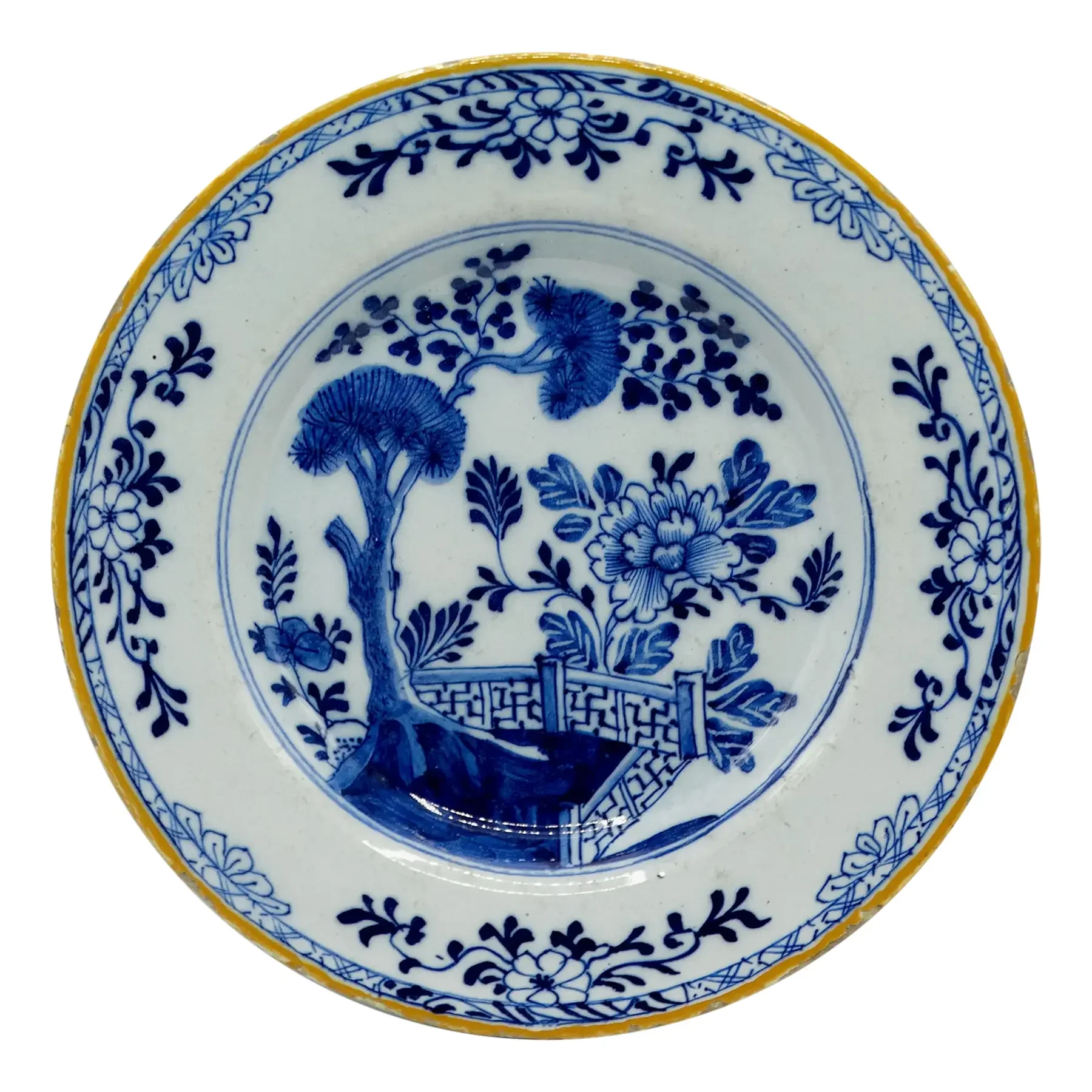
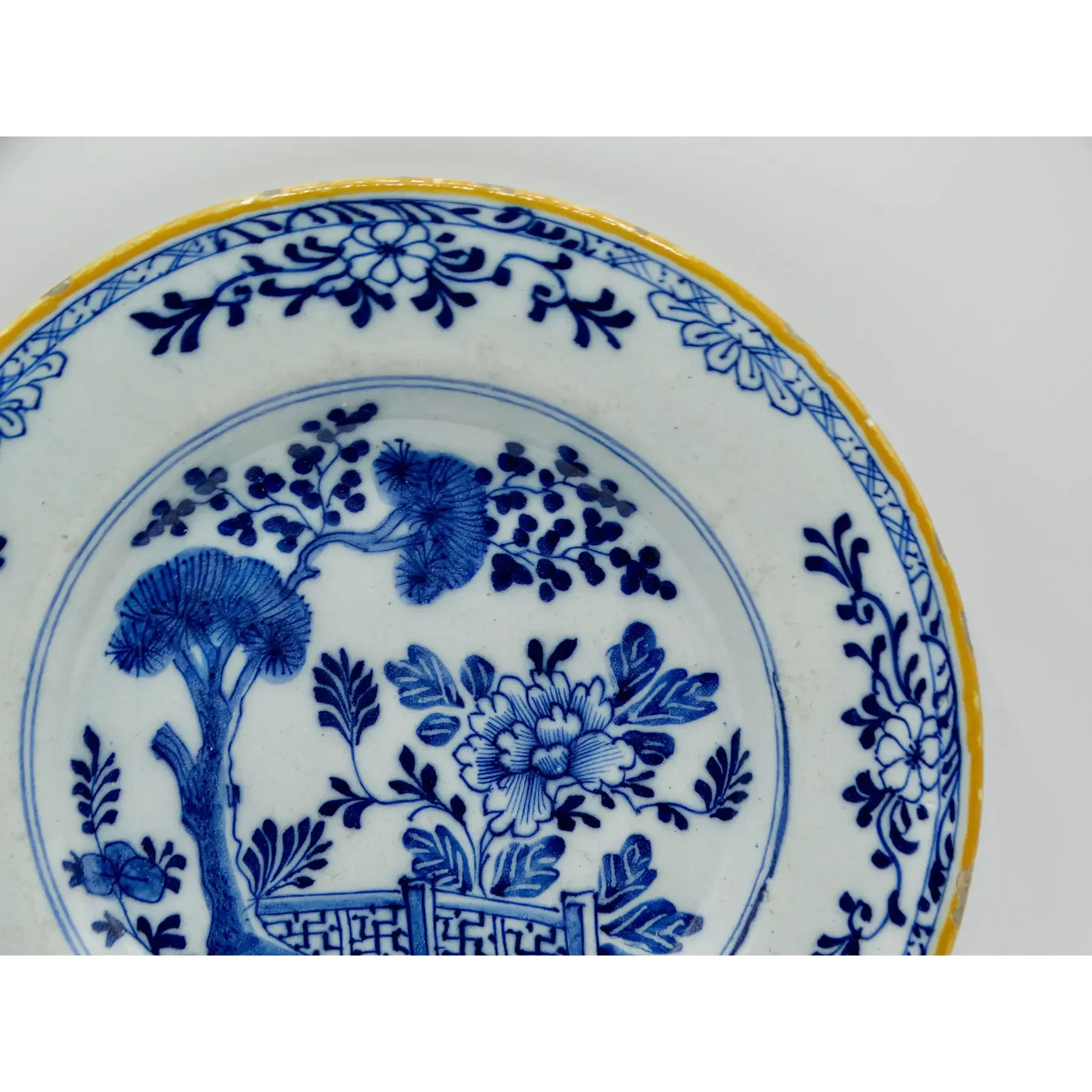
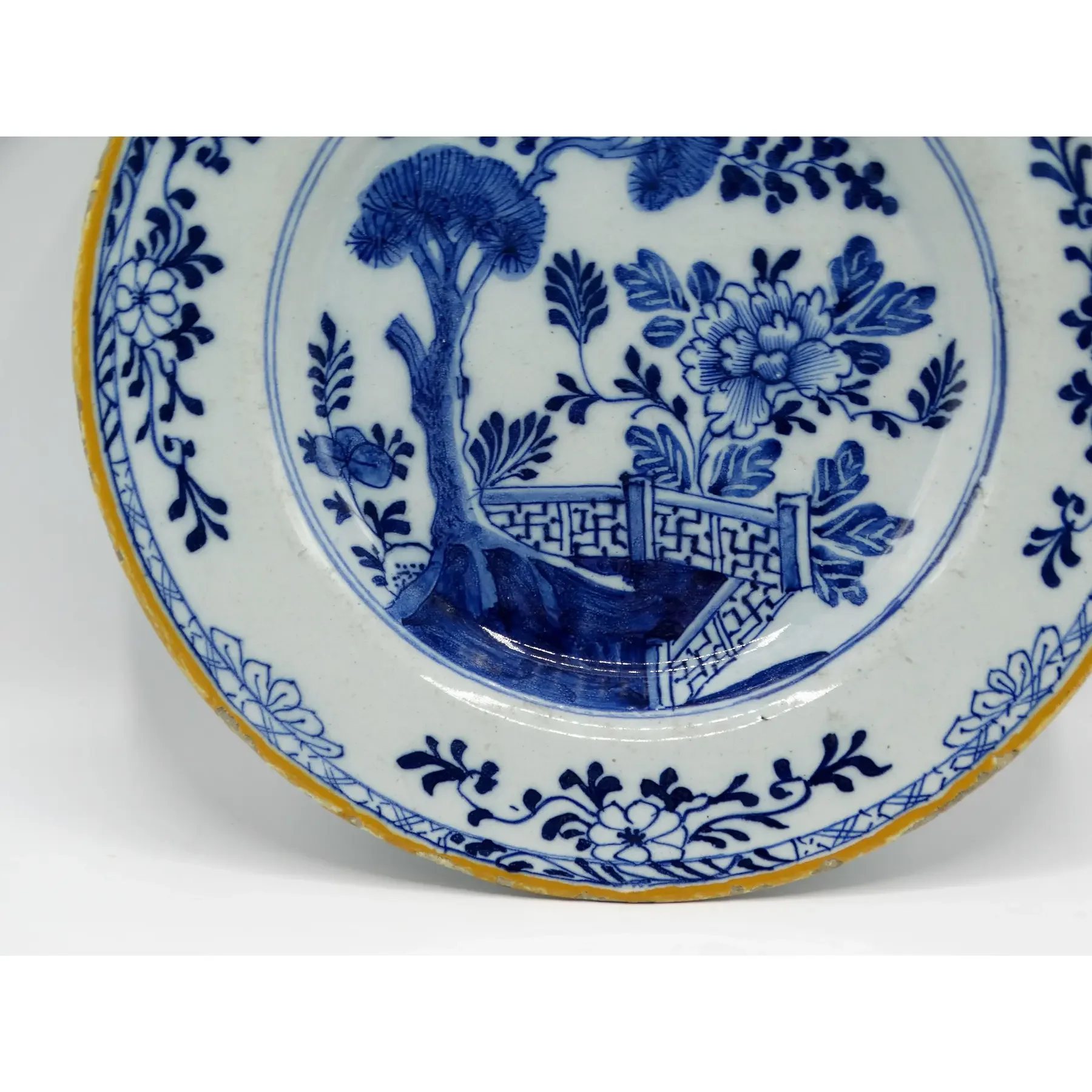
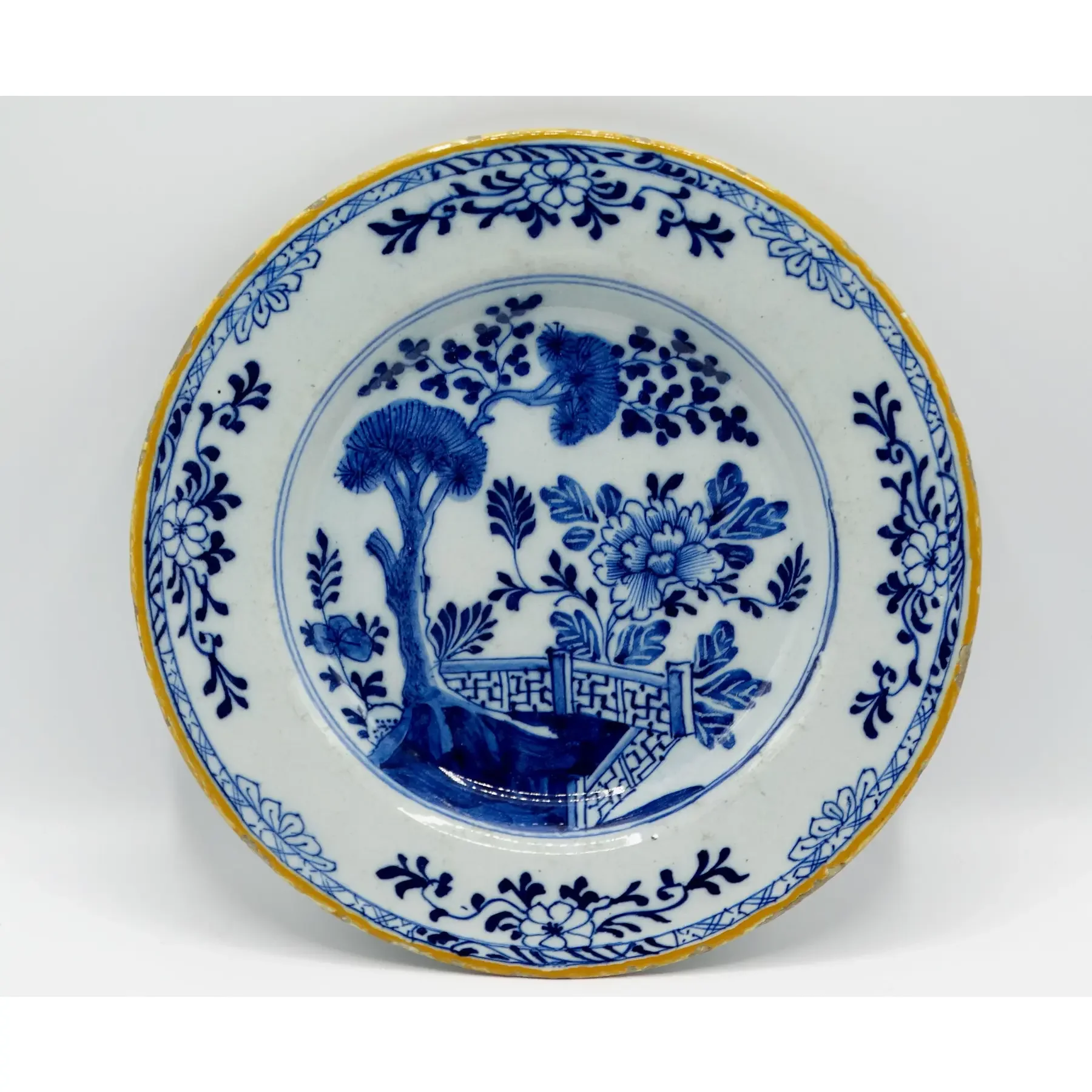
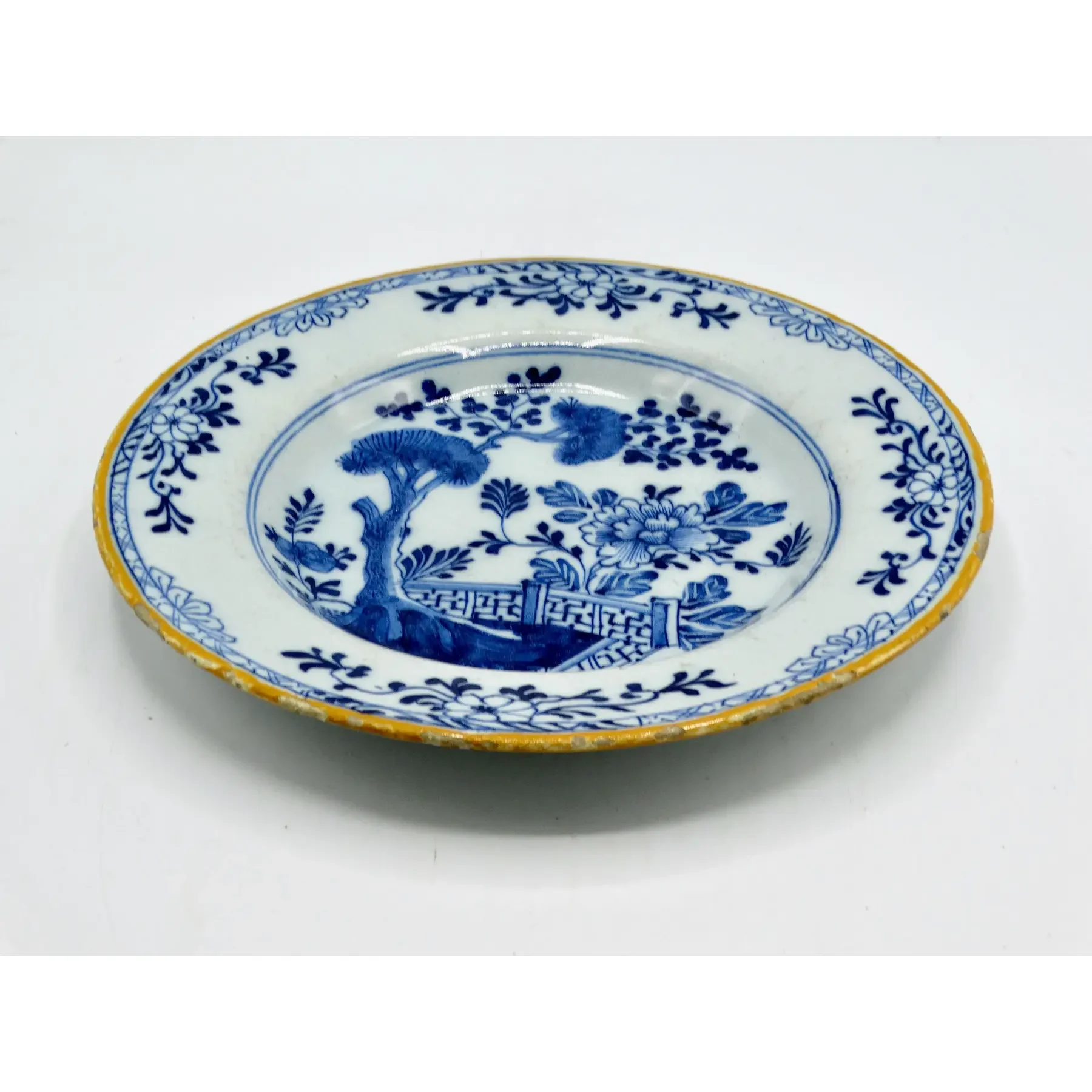
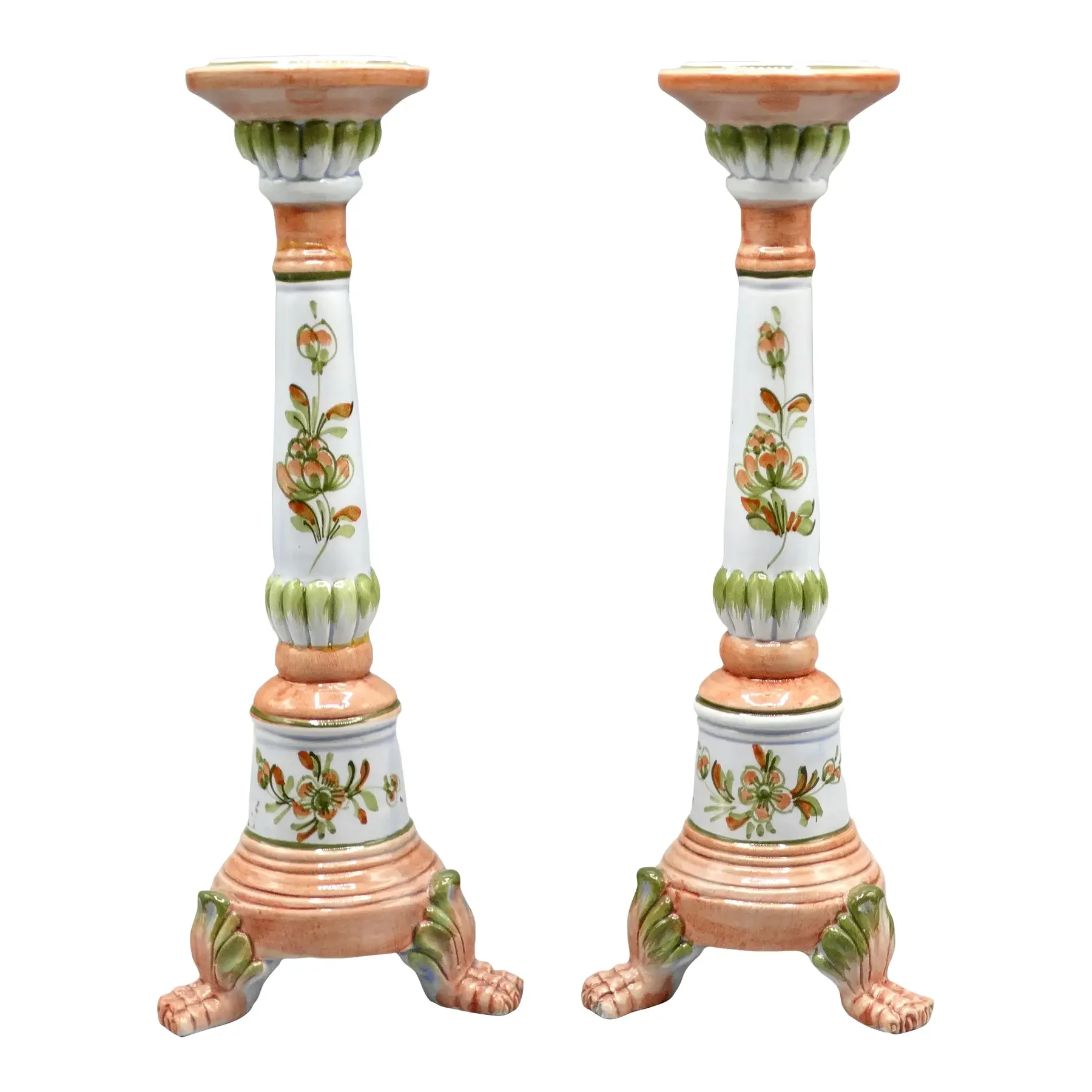
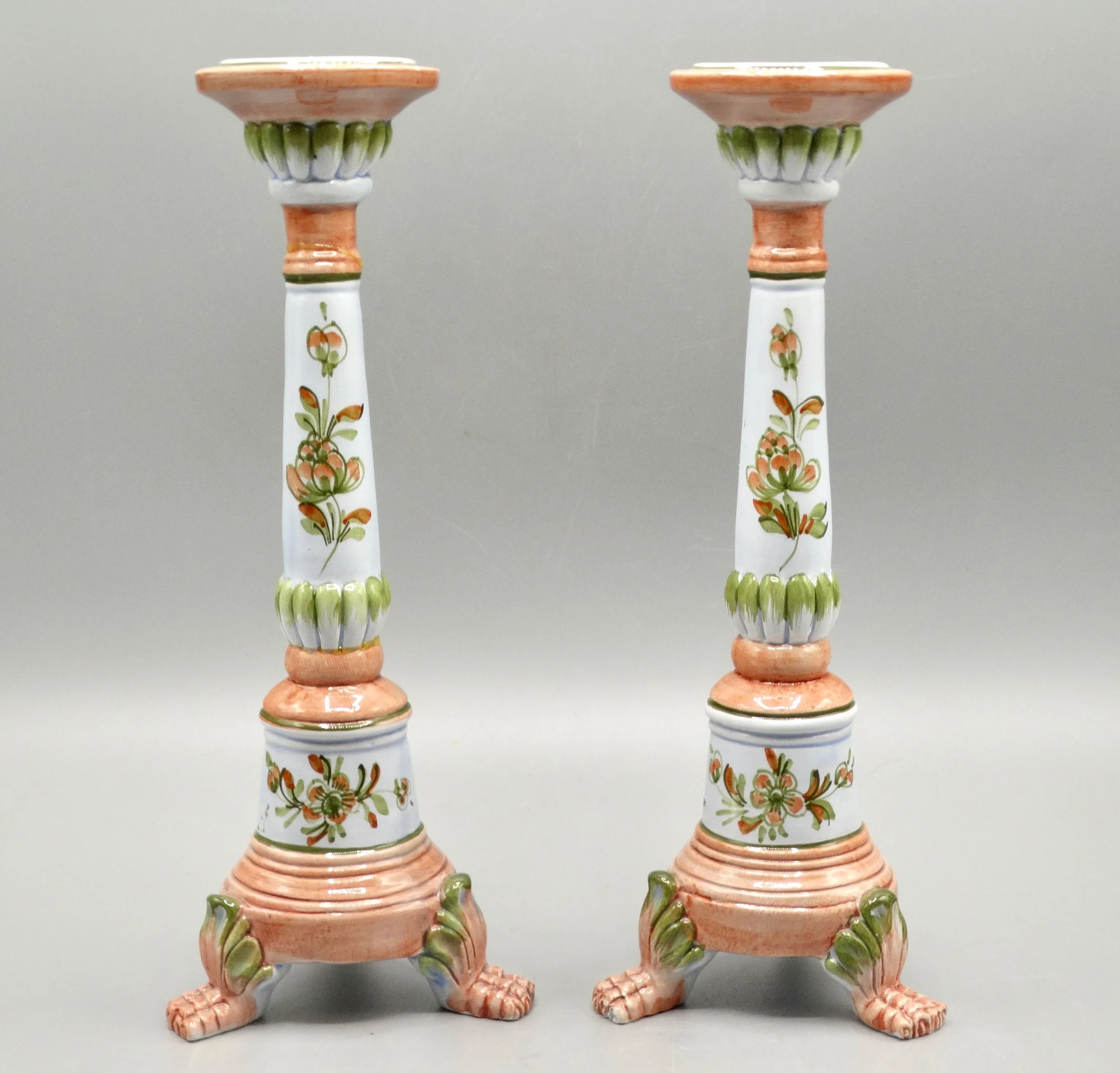
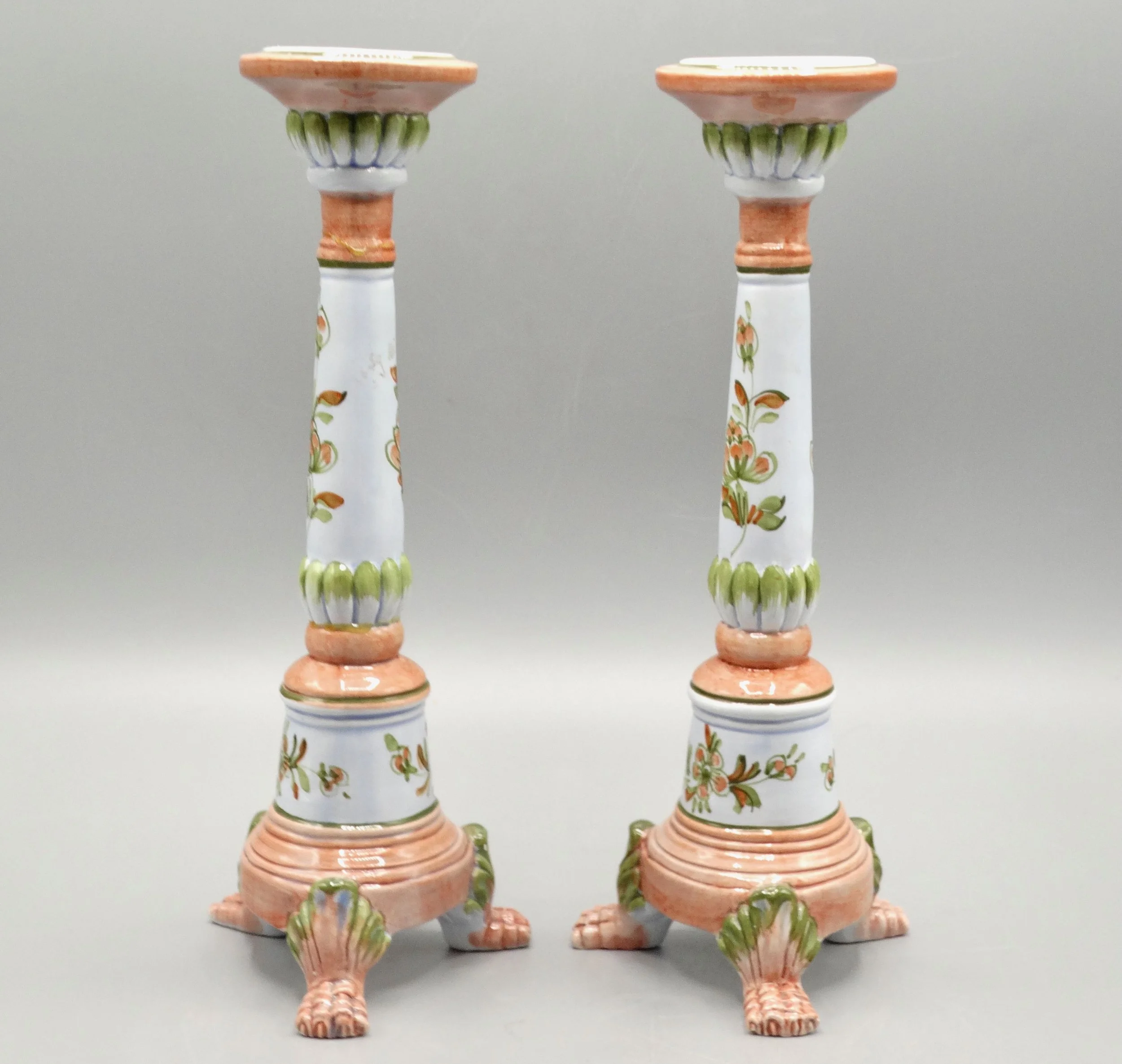
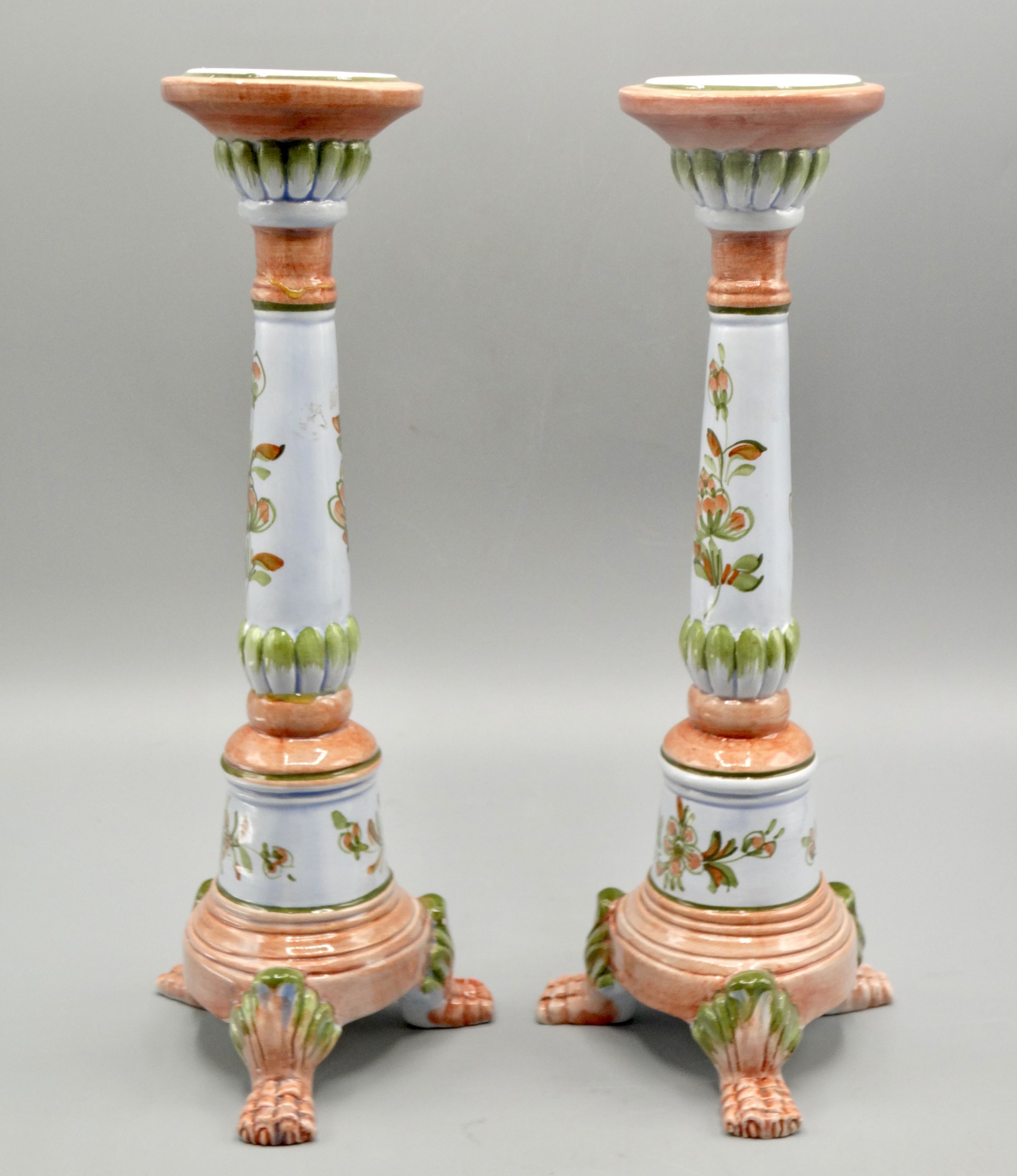
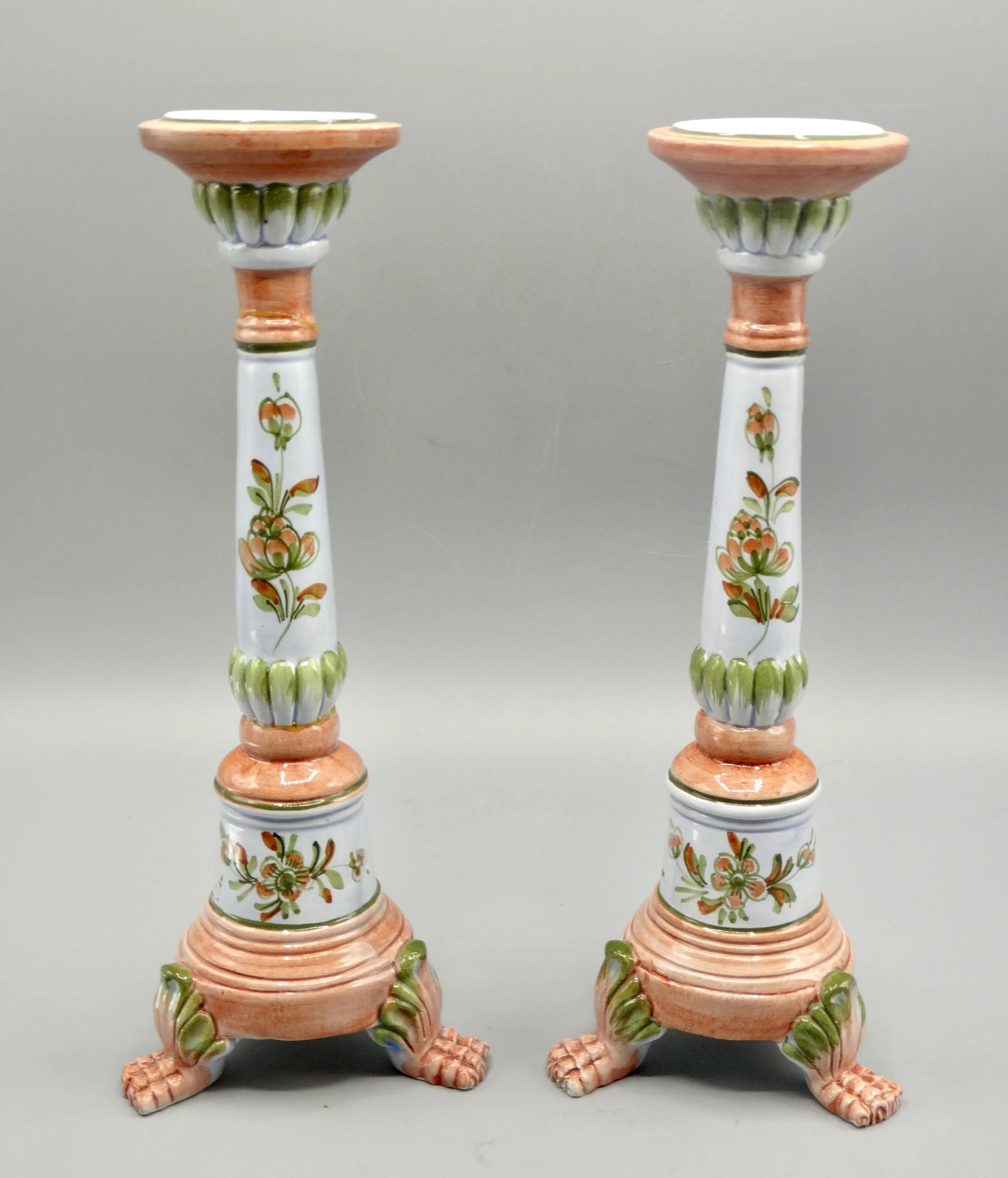
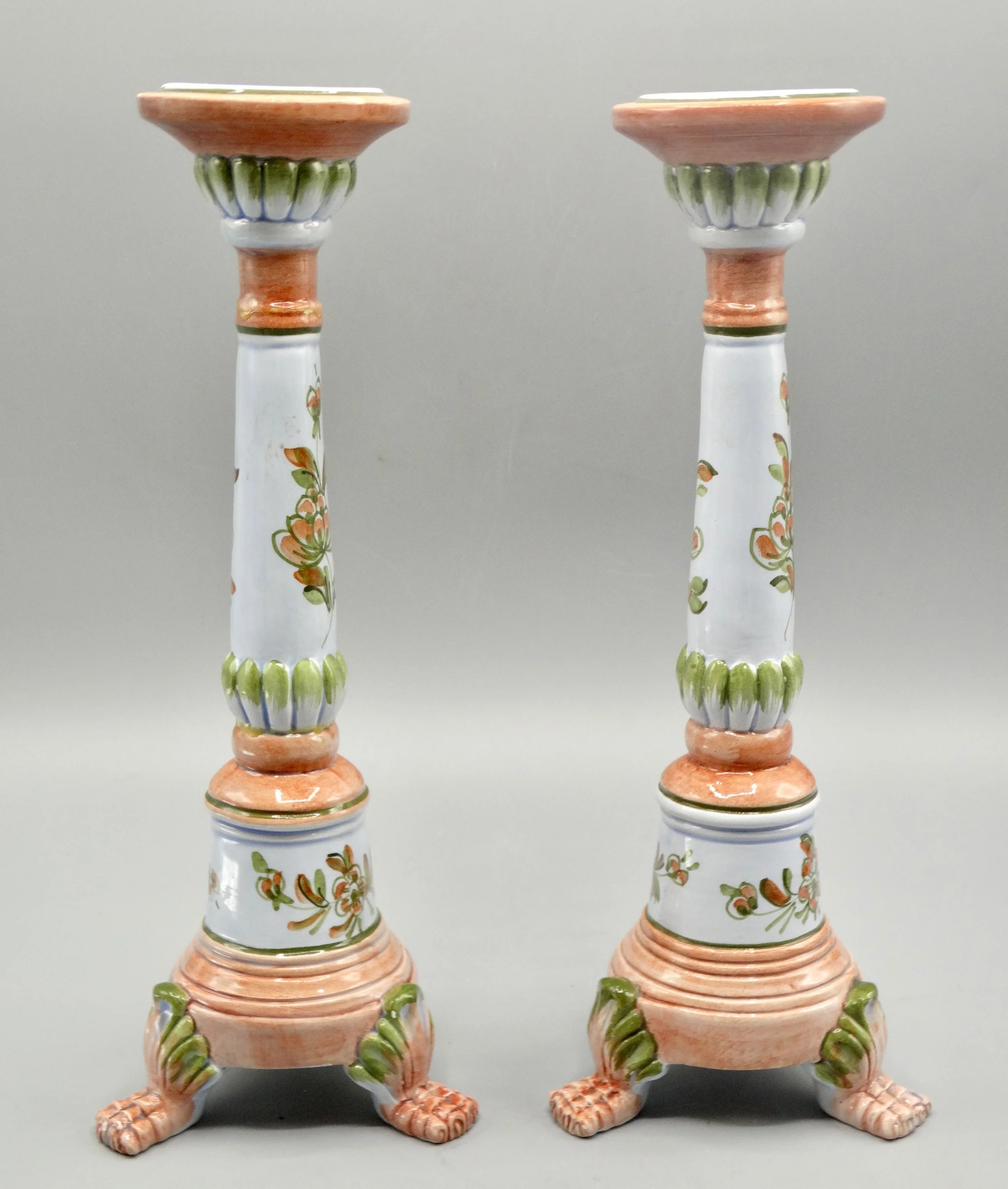
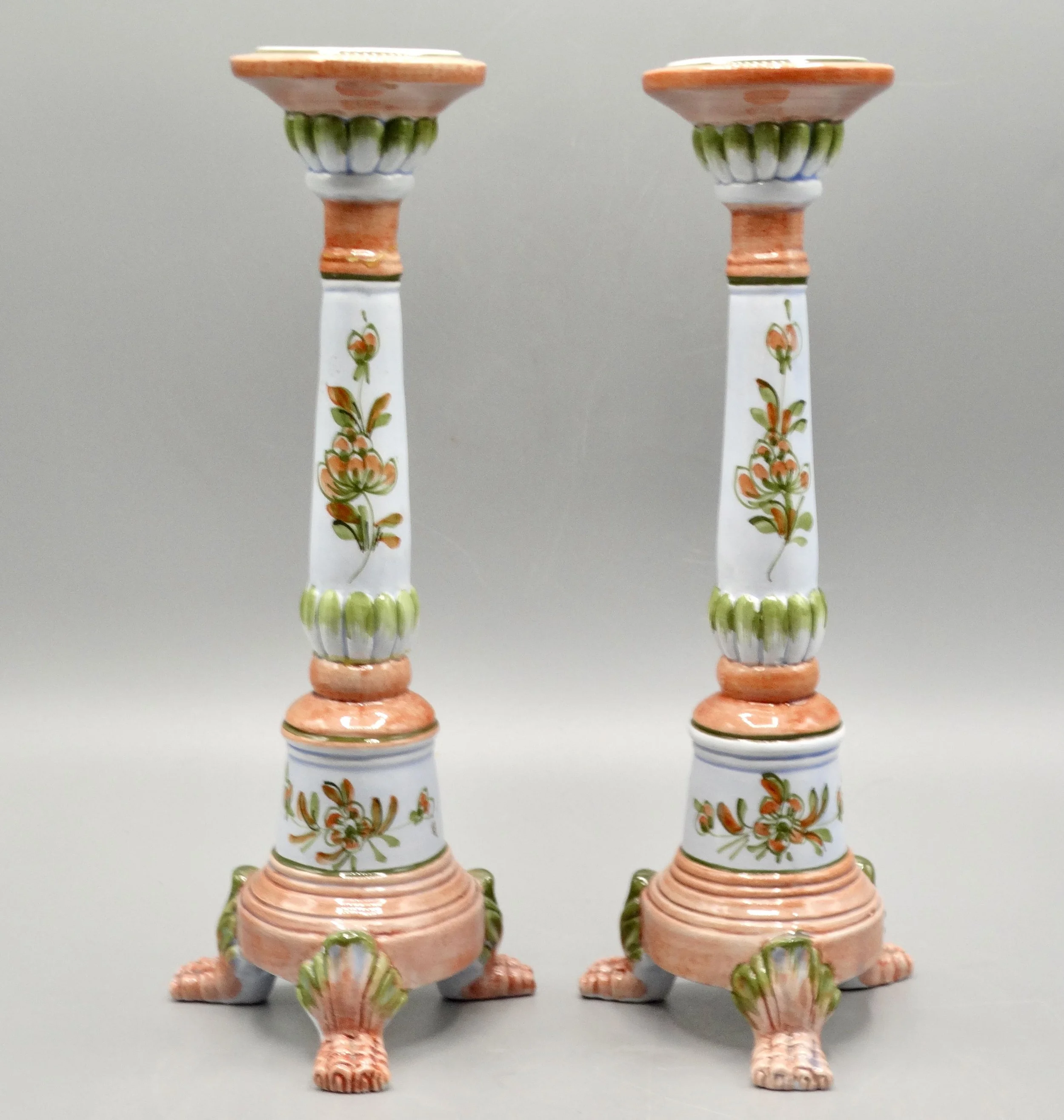
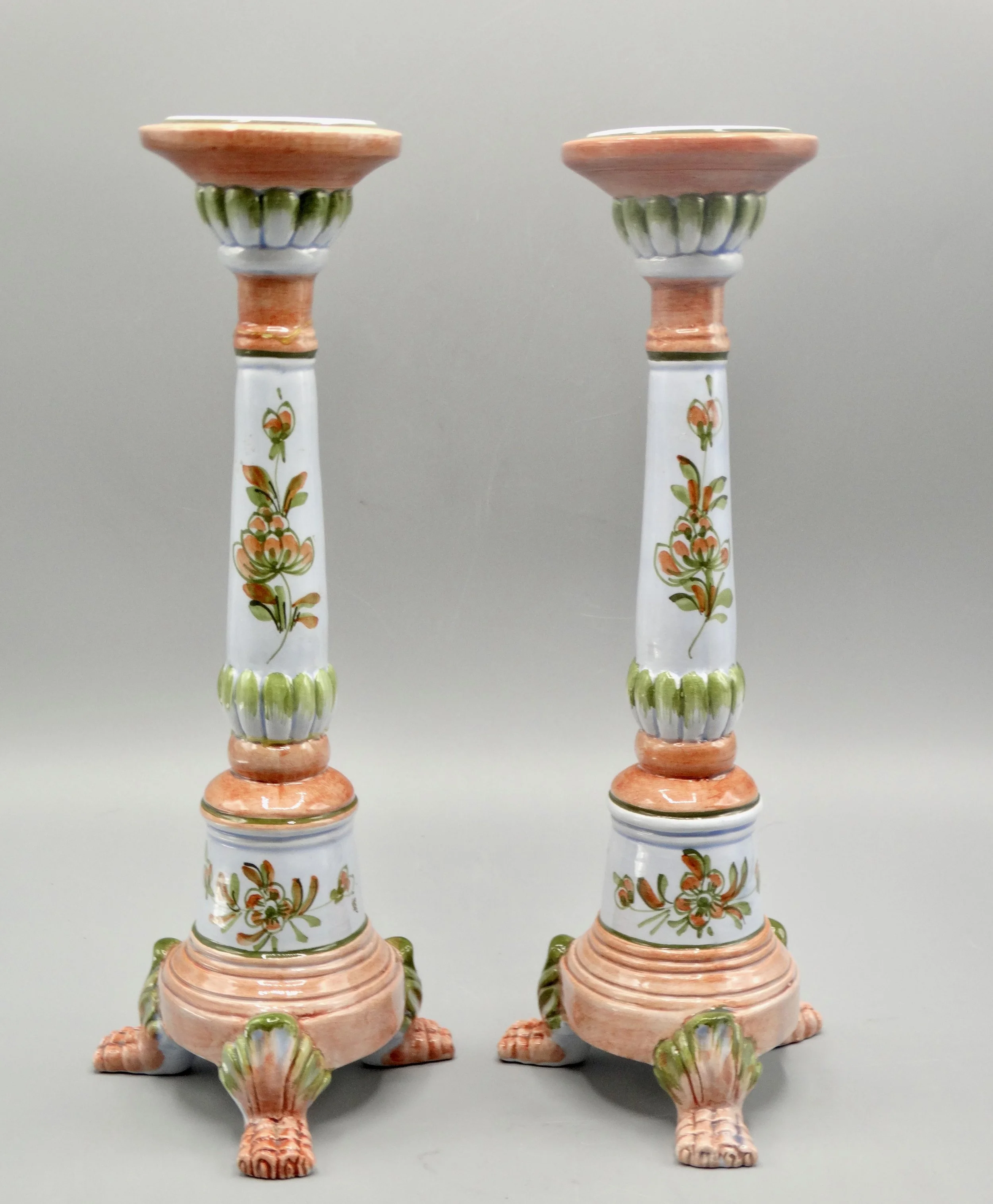
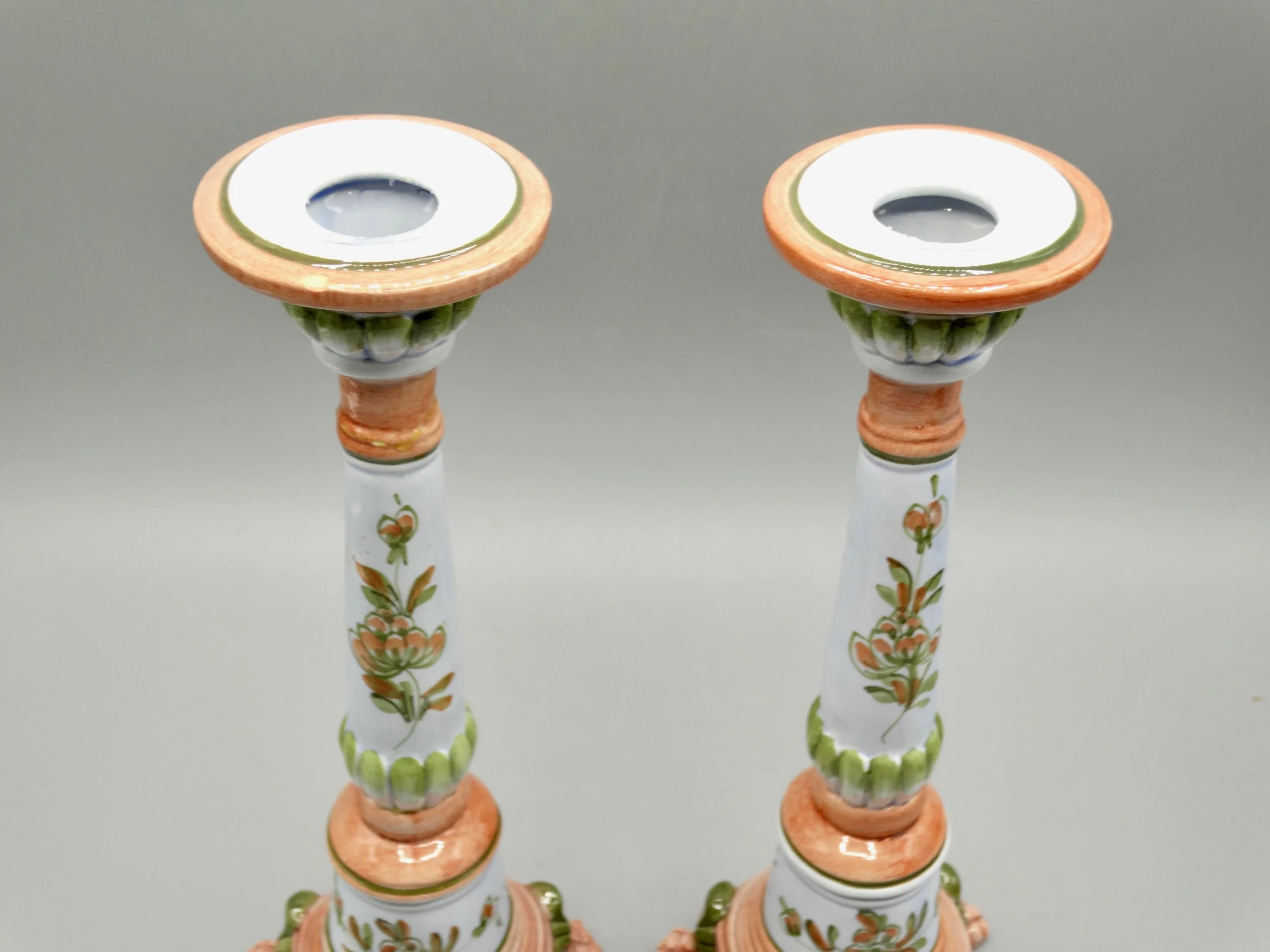
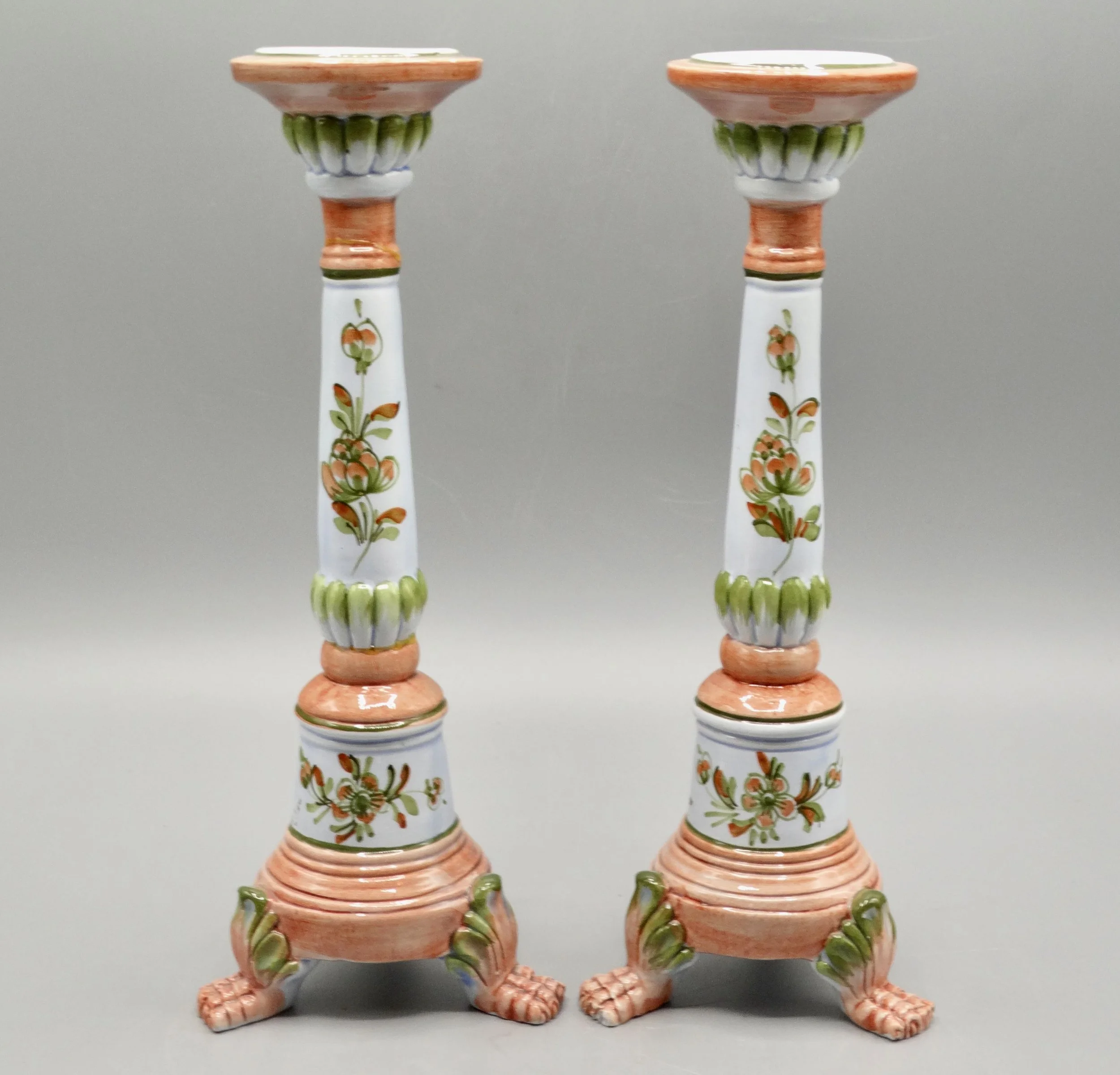
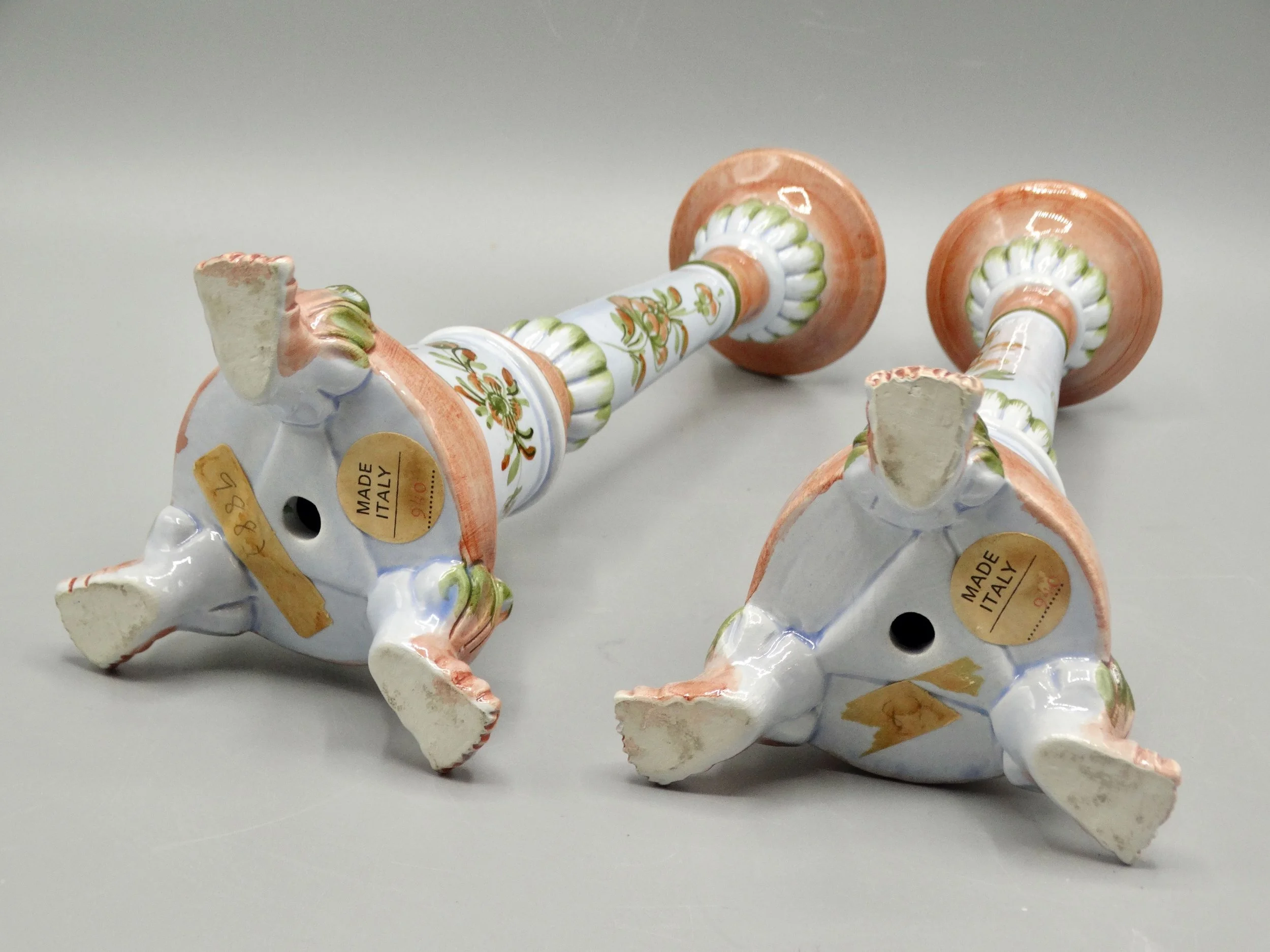
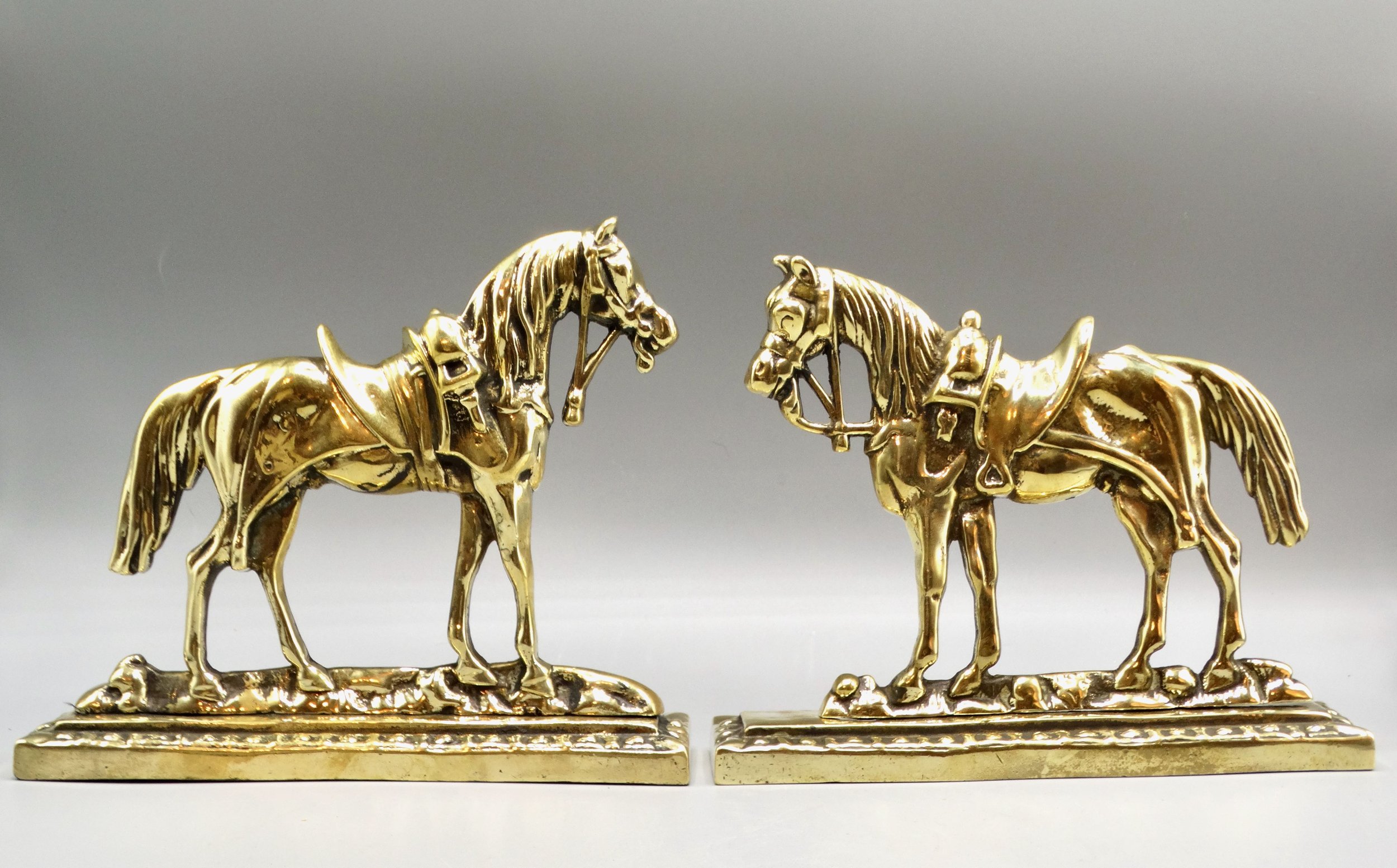
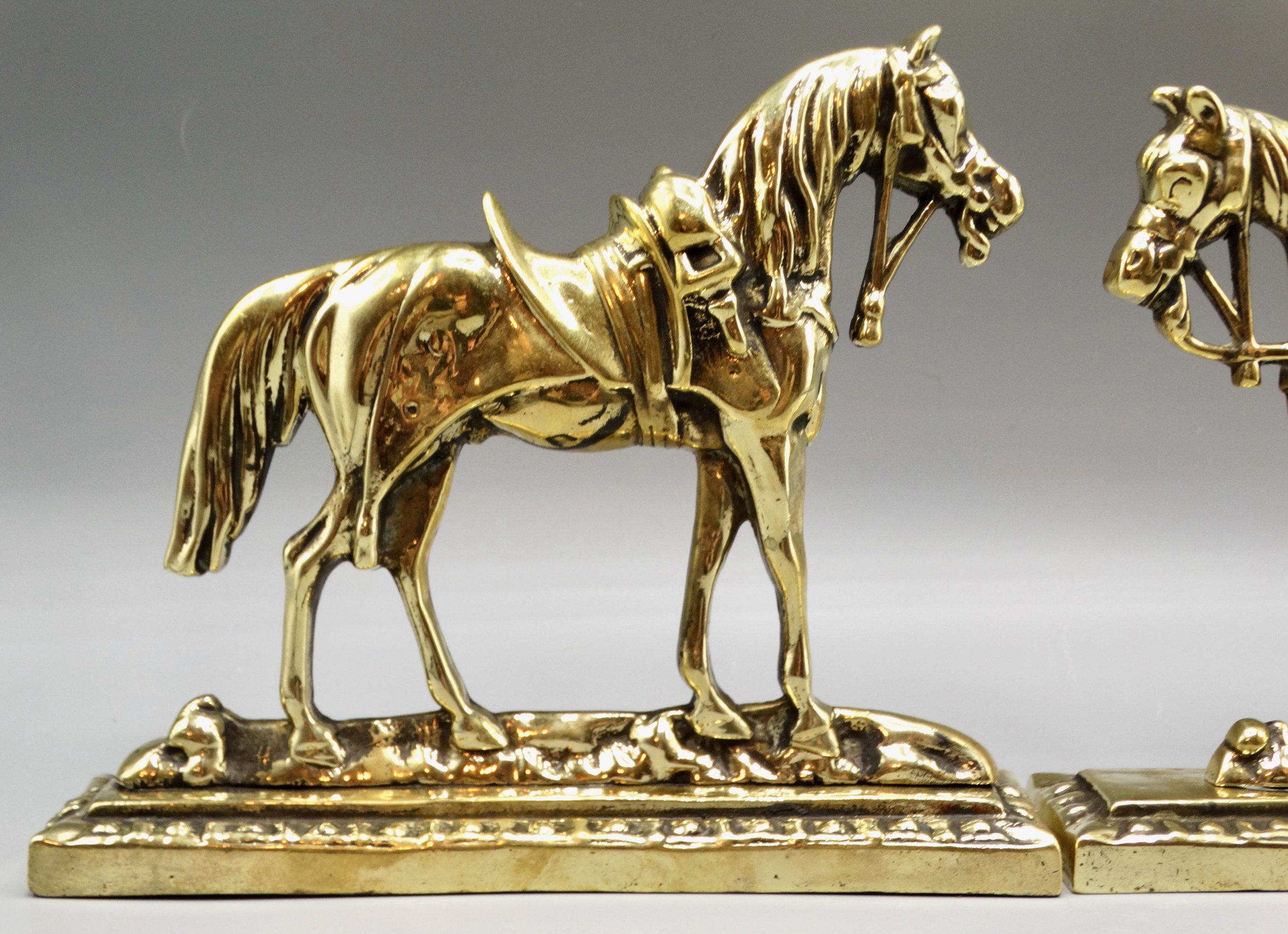
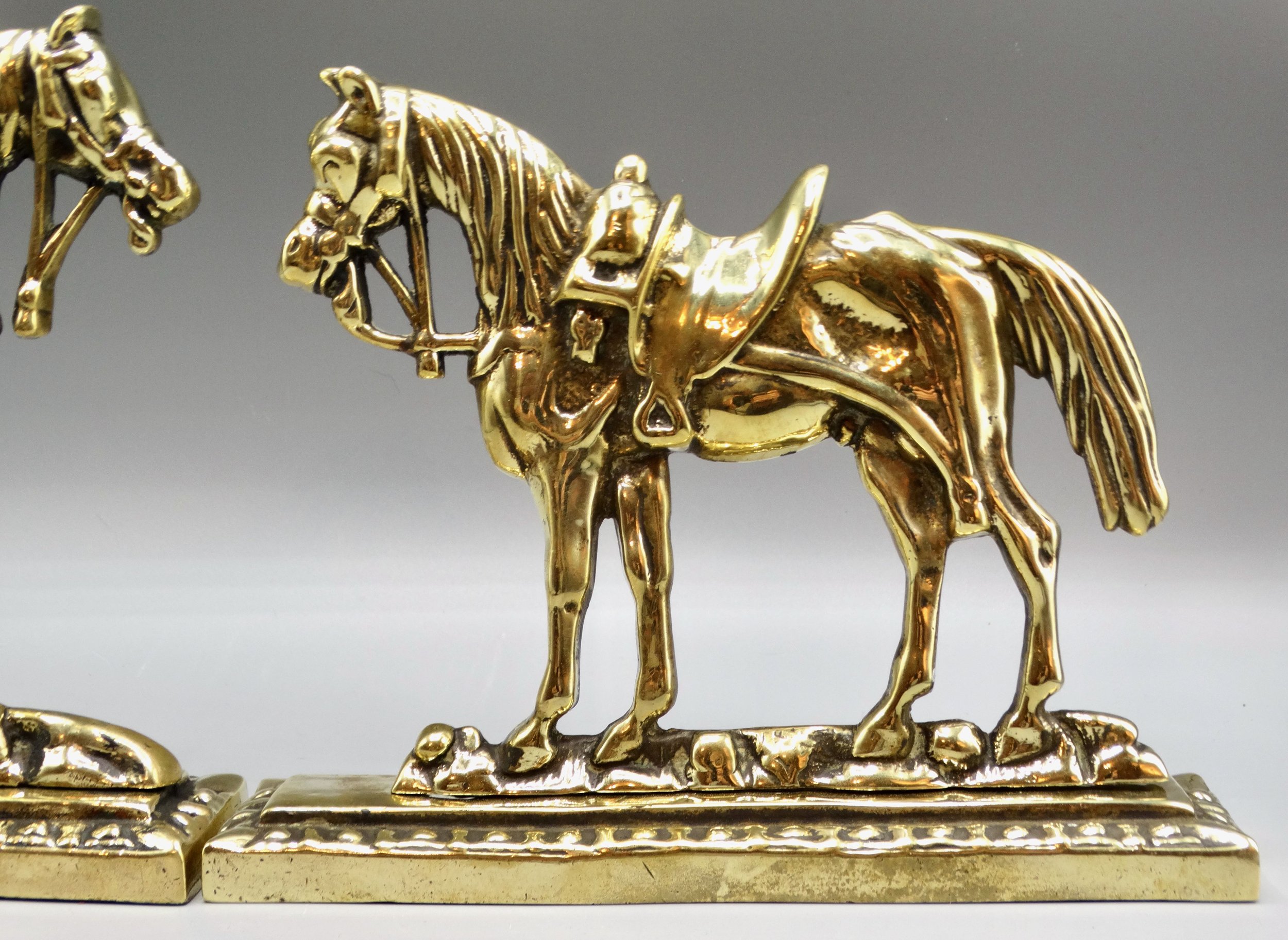
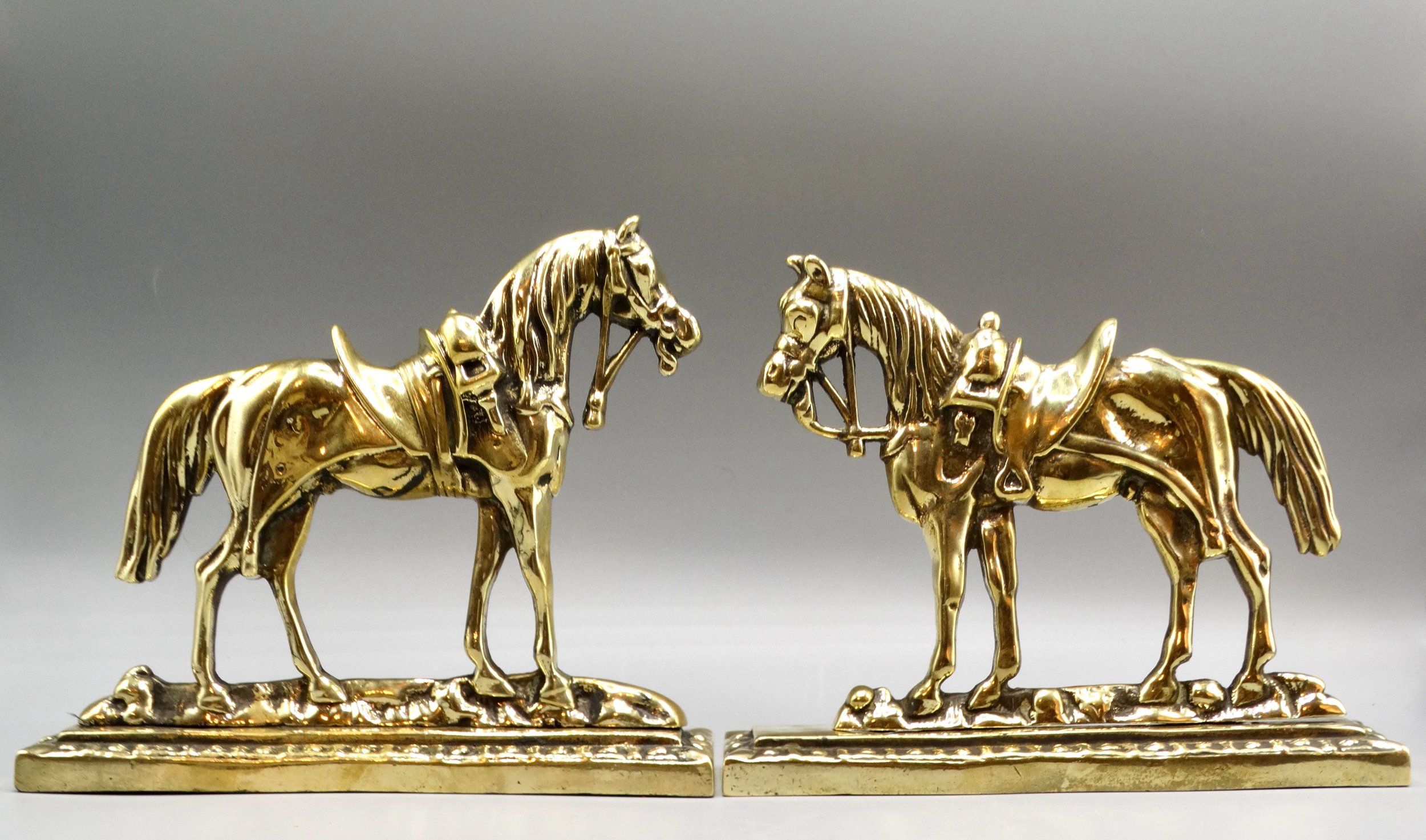
Large early 20th-Century French Moustiers faience handcrafted platter. This serving platter has a pretty scalloped edge and is hand painted in lovely colors of spring green, orange and touches of blue. It is highly collectible - display in a wall cabinet or plate rack. Maker's mark on reverse. It adds a touch of elegance to any table setting, making it a stylish addition to your dinnerware collection. Can be used as a serving piece or hung on the wall.
Dimensions: 15.75” Length x 1.75” Width x 12” Height
Condition is very good, light wear
The art of ceramics has considerably evolved in Moustiers since the Middle Ages. At the time, only objects in glazed clay were produced, in the natural colours of green and brown. The art flourished thanks to Pierre Clérissy, who was initiated by an Italian monk visiting the Monastery of the Communauté de Lérins. He came with the secret of white enamel (tinned ceramics) in 1668. It is in this moment that Moustiers’ ceramics acquired high notoriety all over European courts.
Large early 20th-Century French Moustiers faience handcrafted platter. This serving platter has a pretty scalloped edge and is hand painted in lovely colors of spring green, orange and touches of blue. It is highly collectible - display in a wall cabinet or plate rack. Maker's mark on reverse. It adds a touch of elegance to any table setting, making it a stylish addition to your dinnerware collection. Can be used as a serving piece or hung on the wall.
Dimensions: 15.75” Length x 1.75” Width x 12” Height
Condition is very good, light wear
The art of ceramics has considerably evolved in Moustiers since the Middle Ages. At the time, only objects in glazed clay were produced, in the natural colours of green and brown. The art flourished thanks to Pierre Clérissy, who was initiated by an Italian monk visiting the Monastery of the Communauté de Lérins. He came with the secret of white enamel (tinned ceramics) in 1668. It is in this moment that Moustiers’ ceramics acquired high notoriety all over European courts.

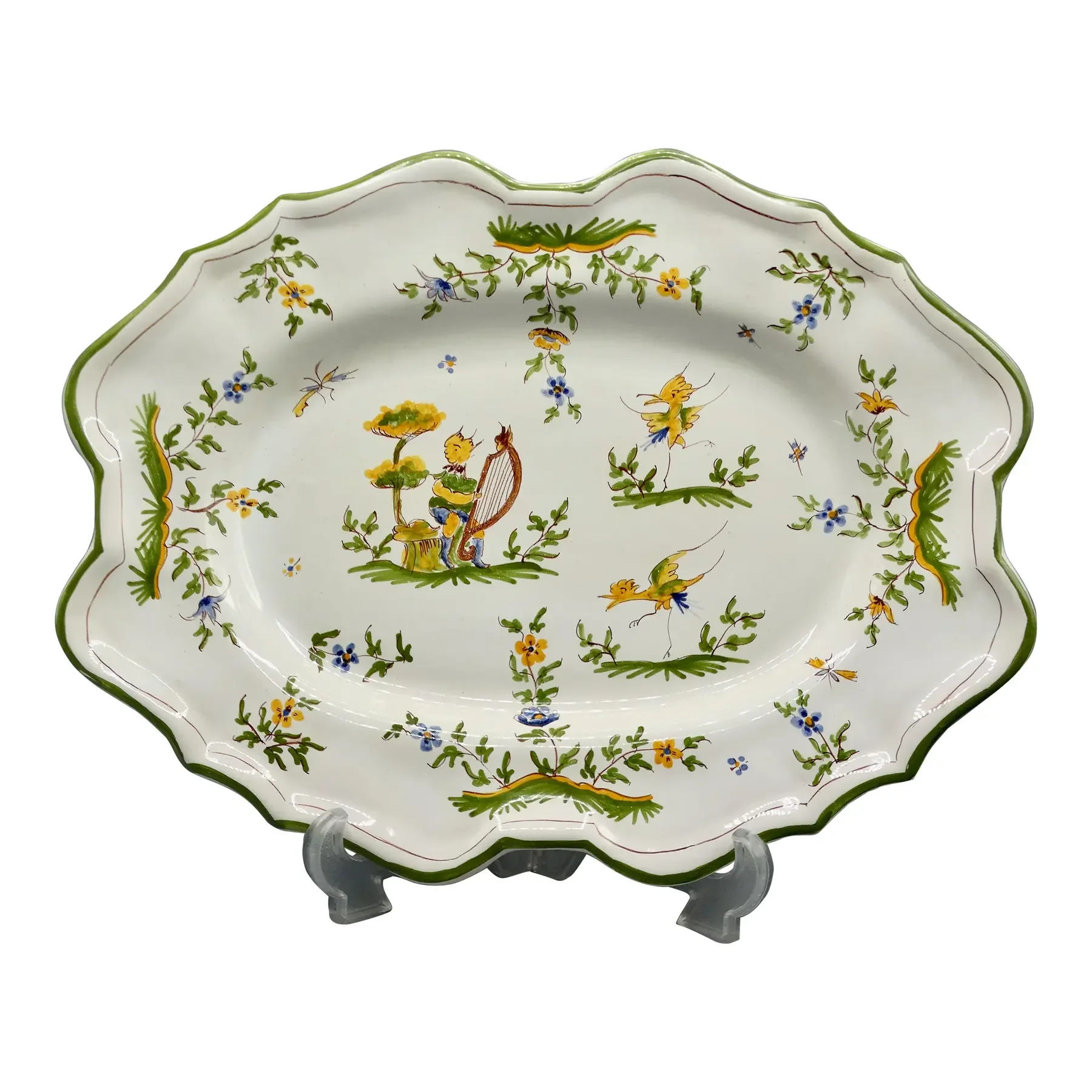 Image 1 of 18
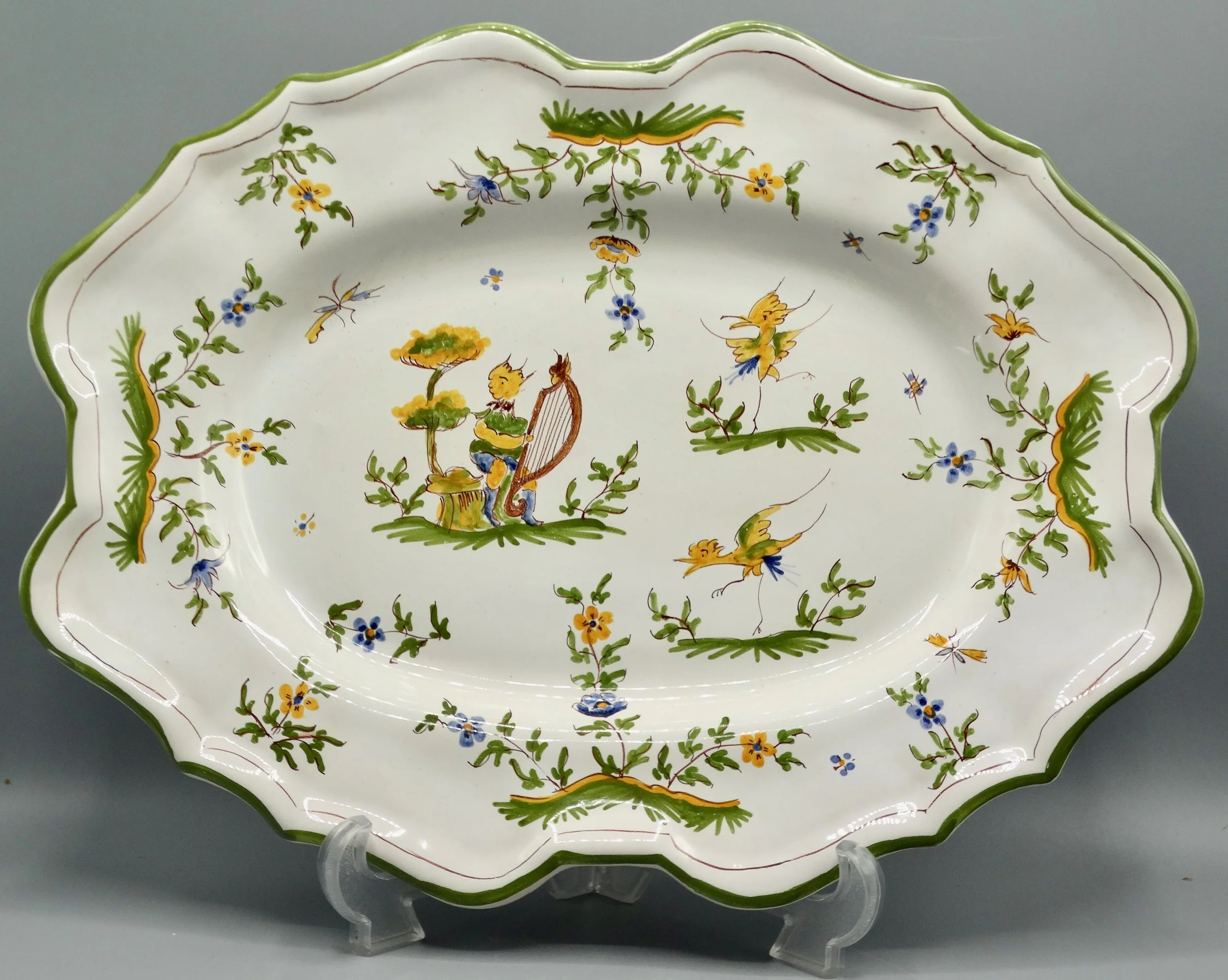 Image 2 of 18
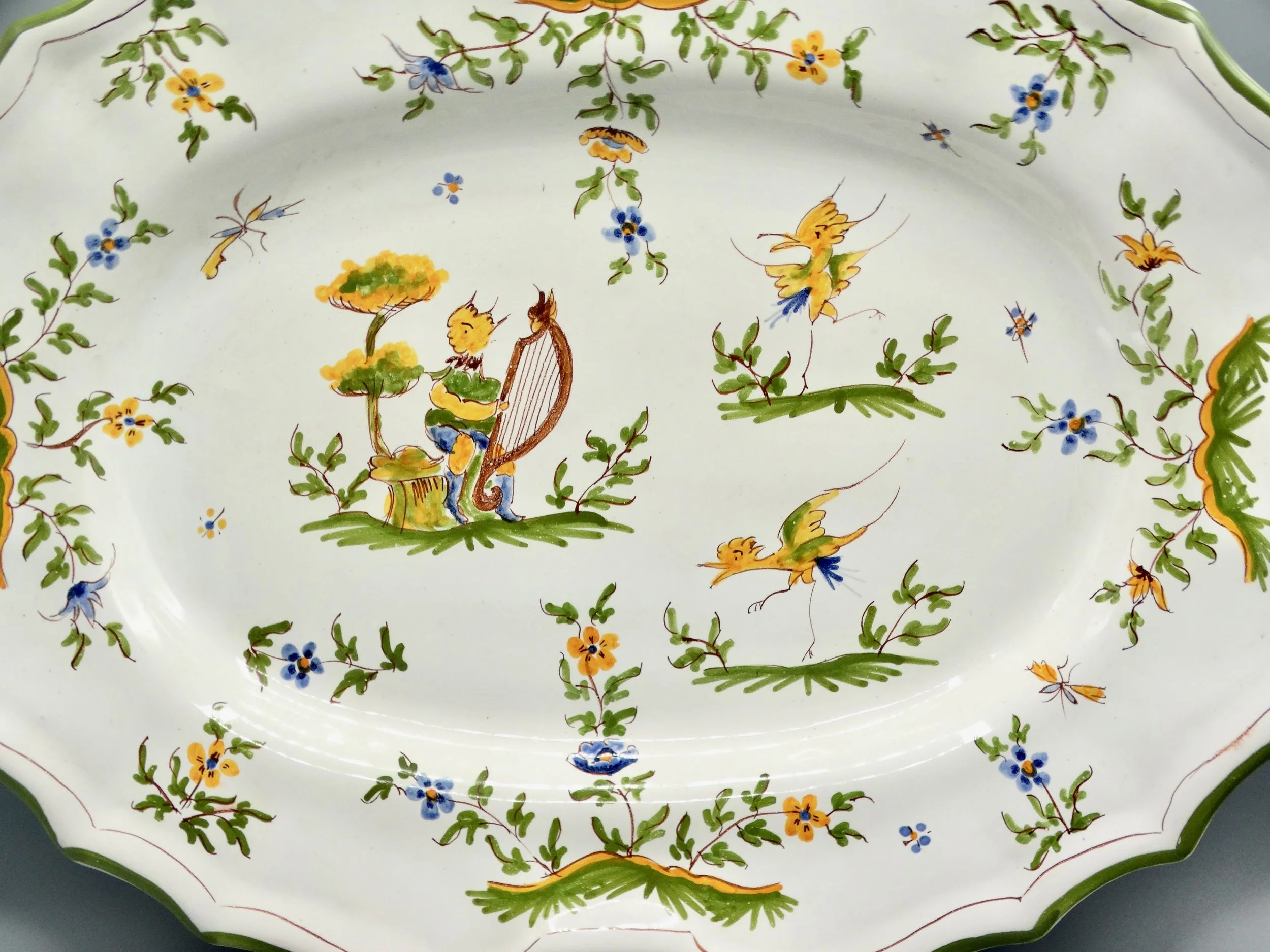 Image 3 of 18
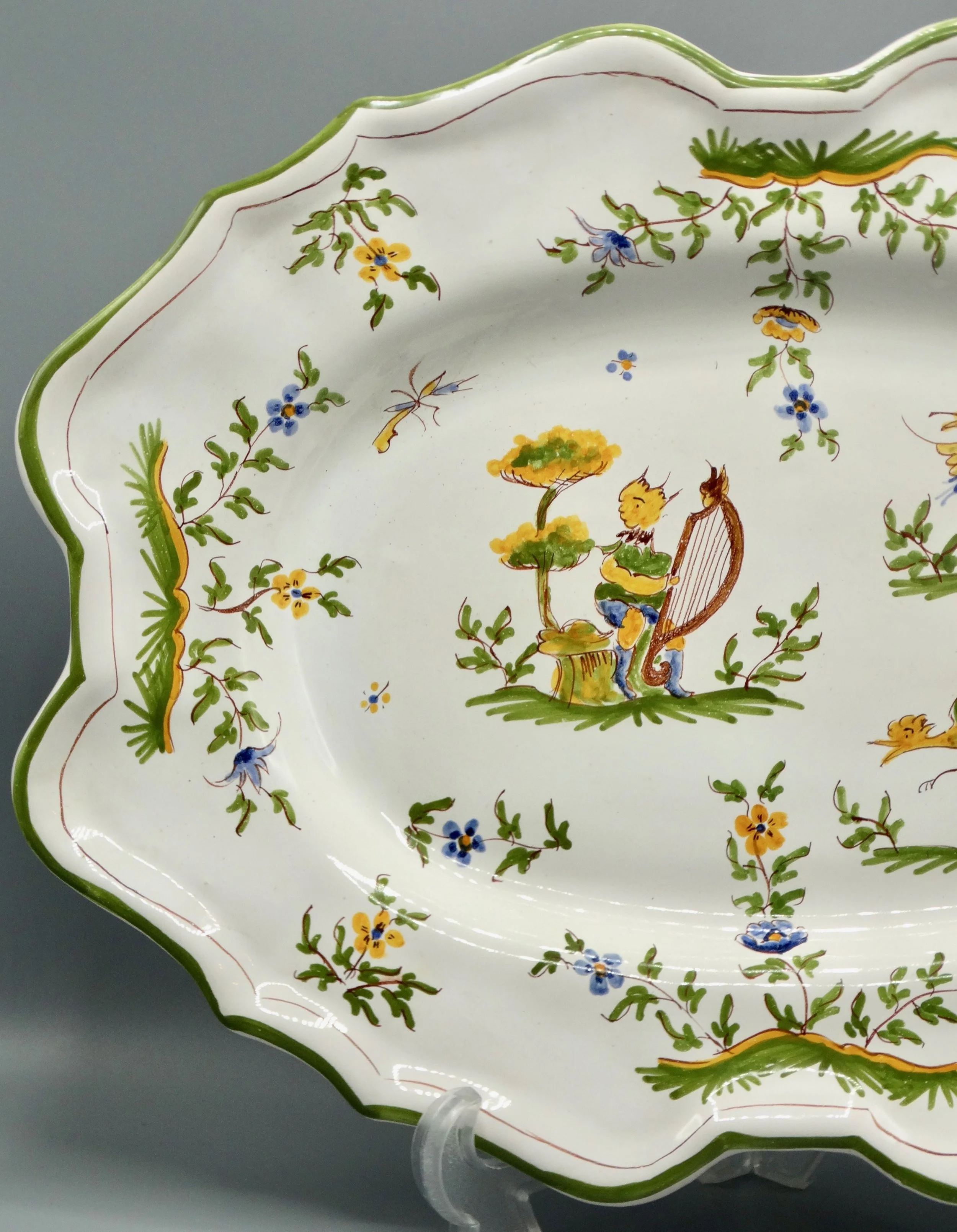 Image 4 of 18
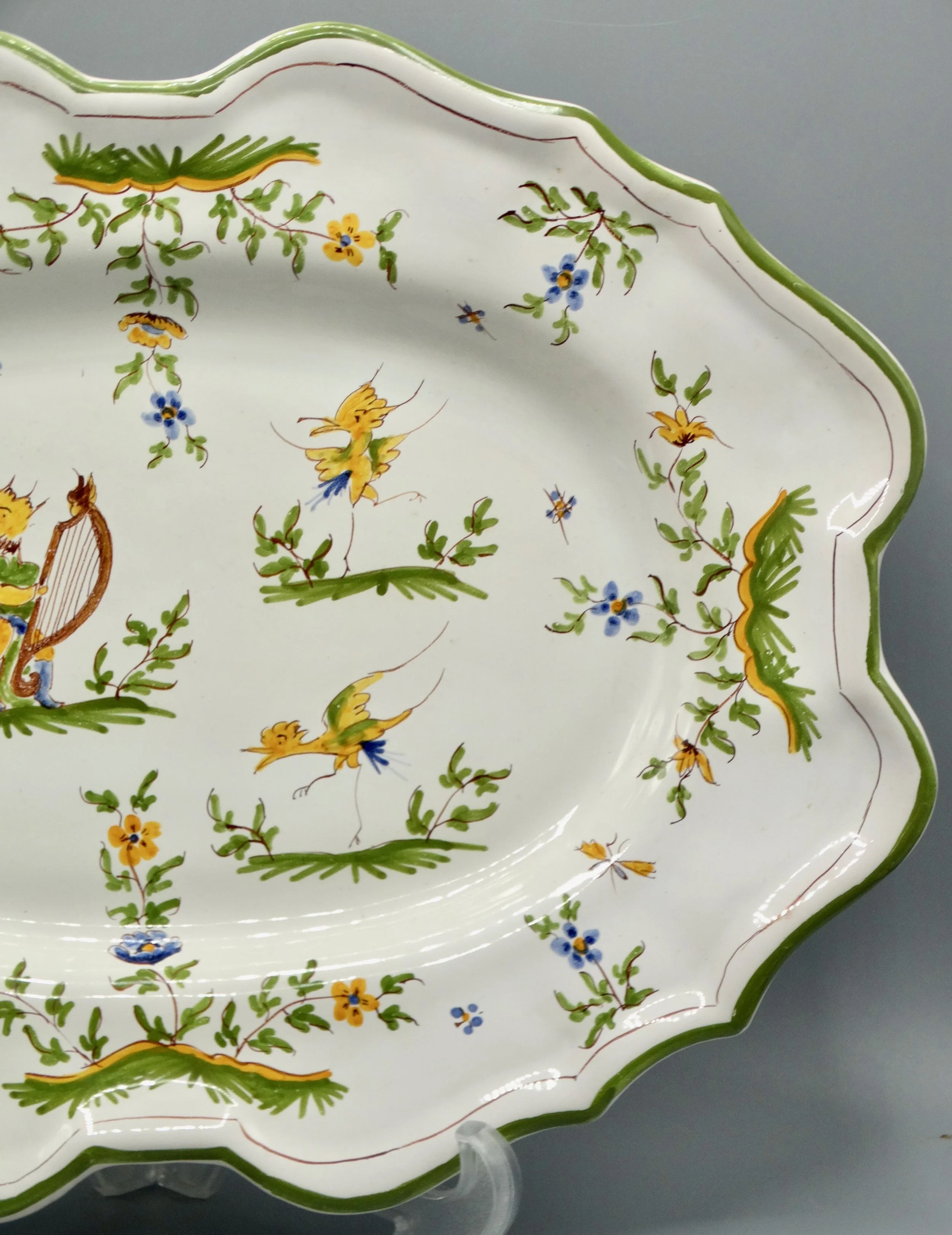 Image 5 of 18
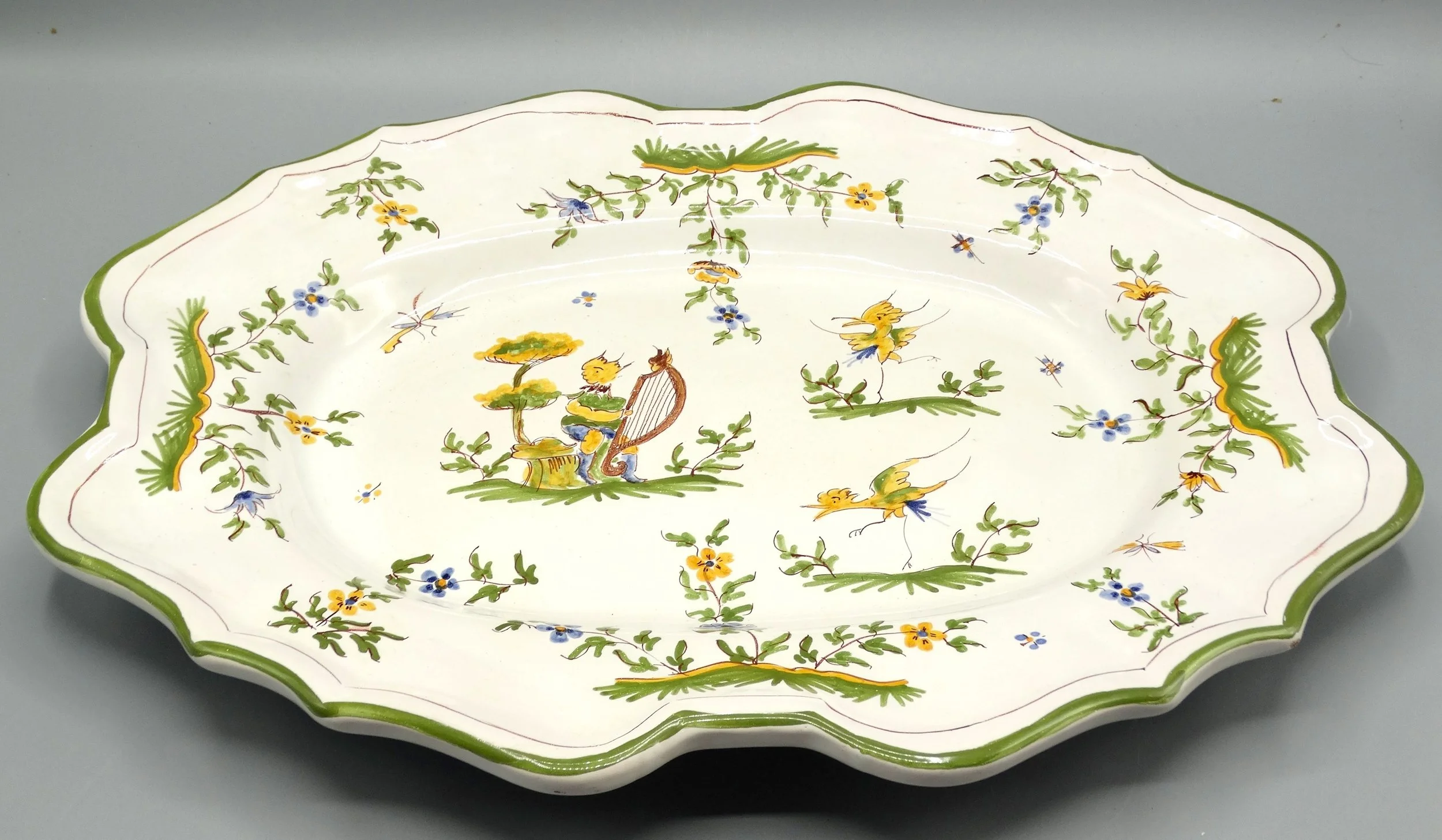 Image 6 of 18
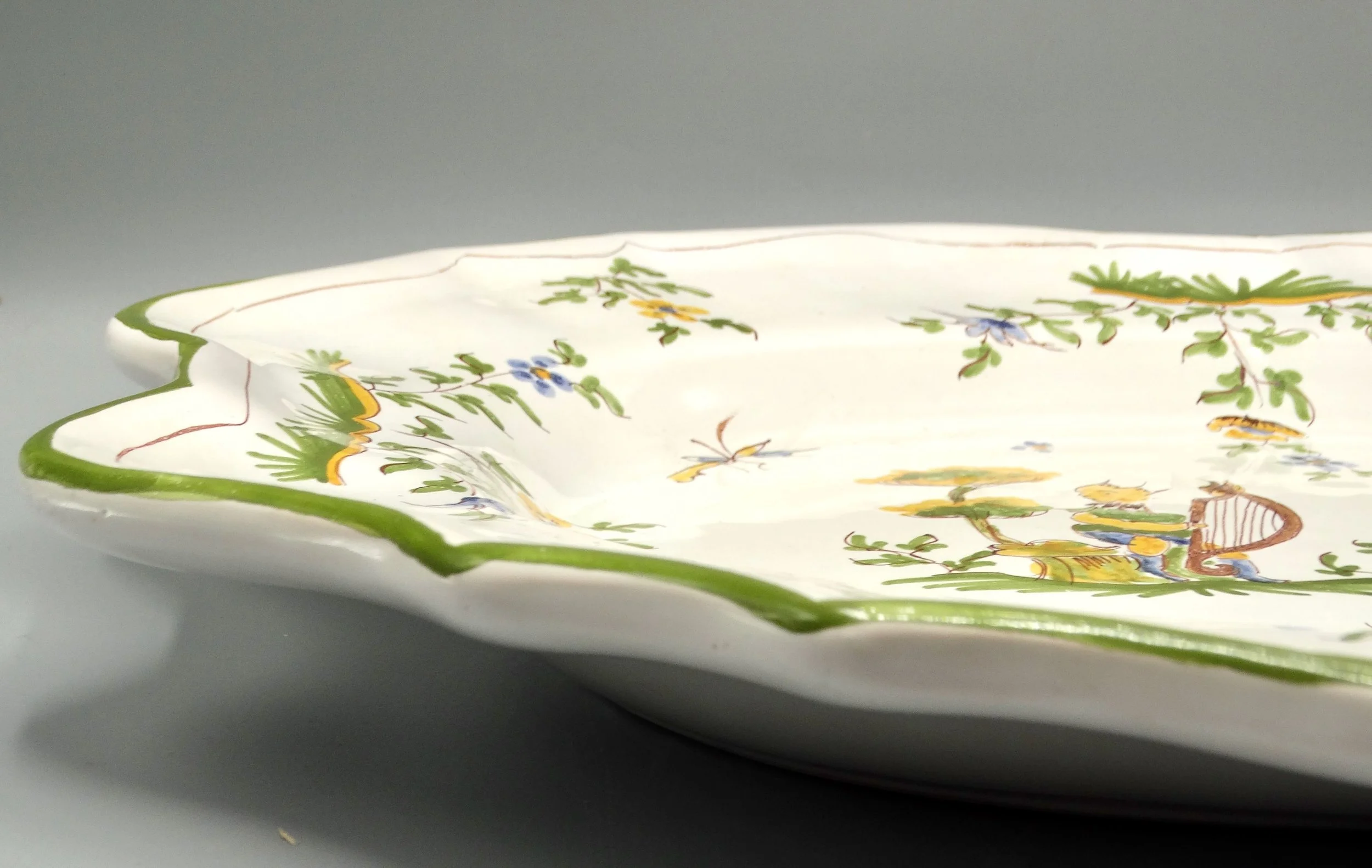 Image 7 of 18
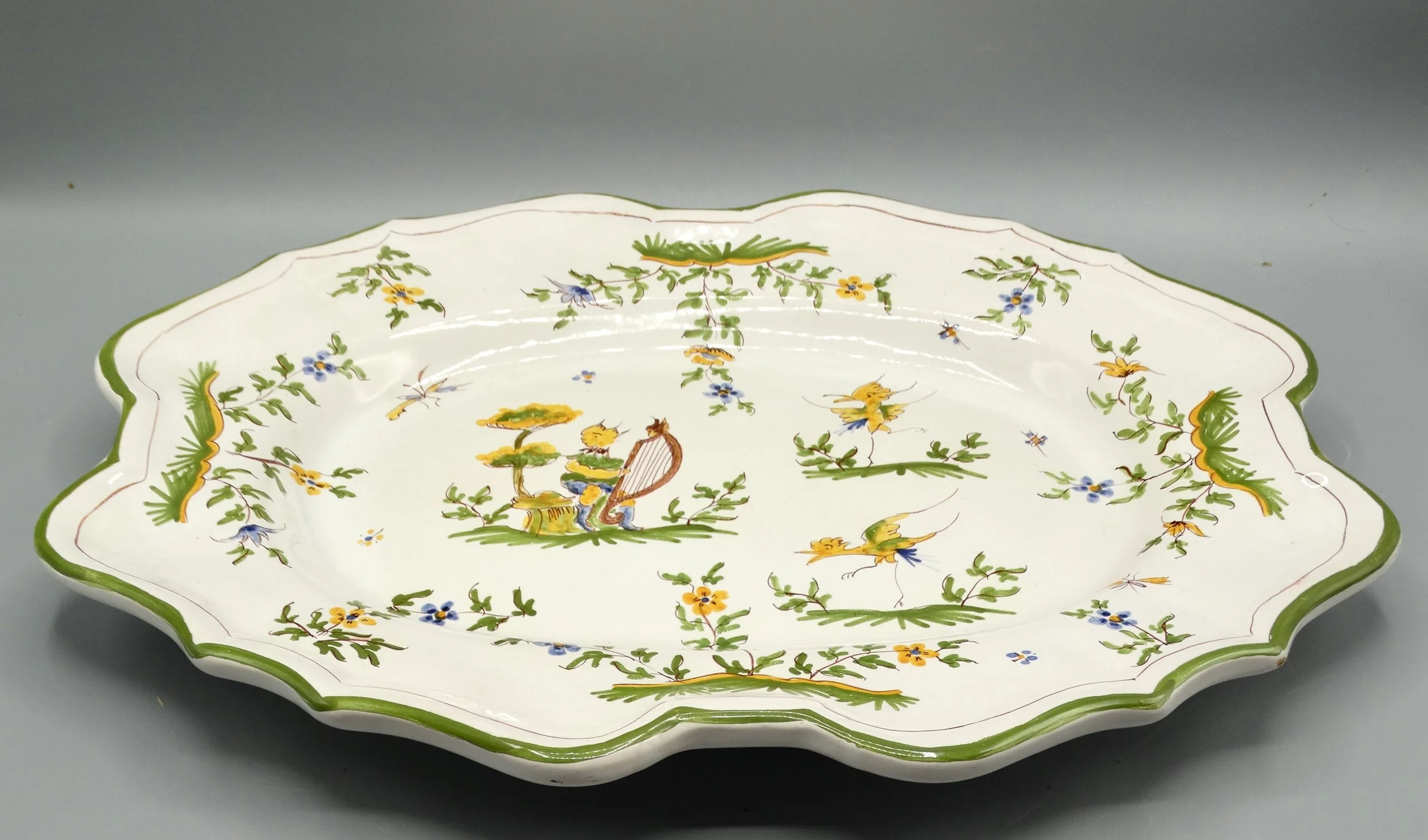 Image 8 of 18
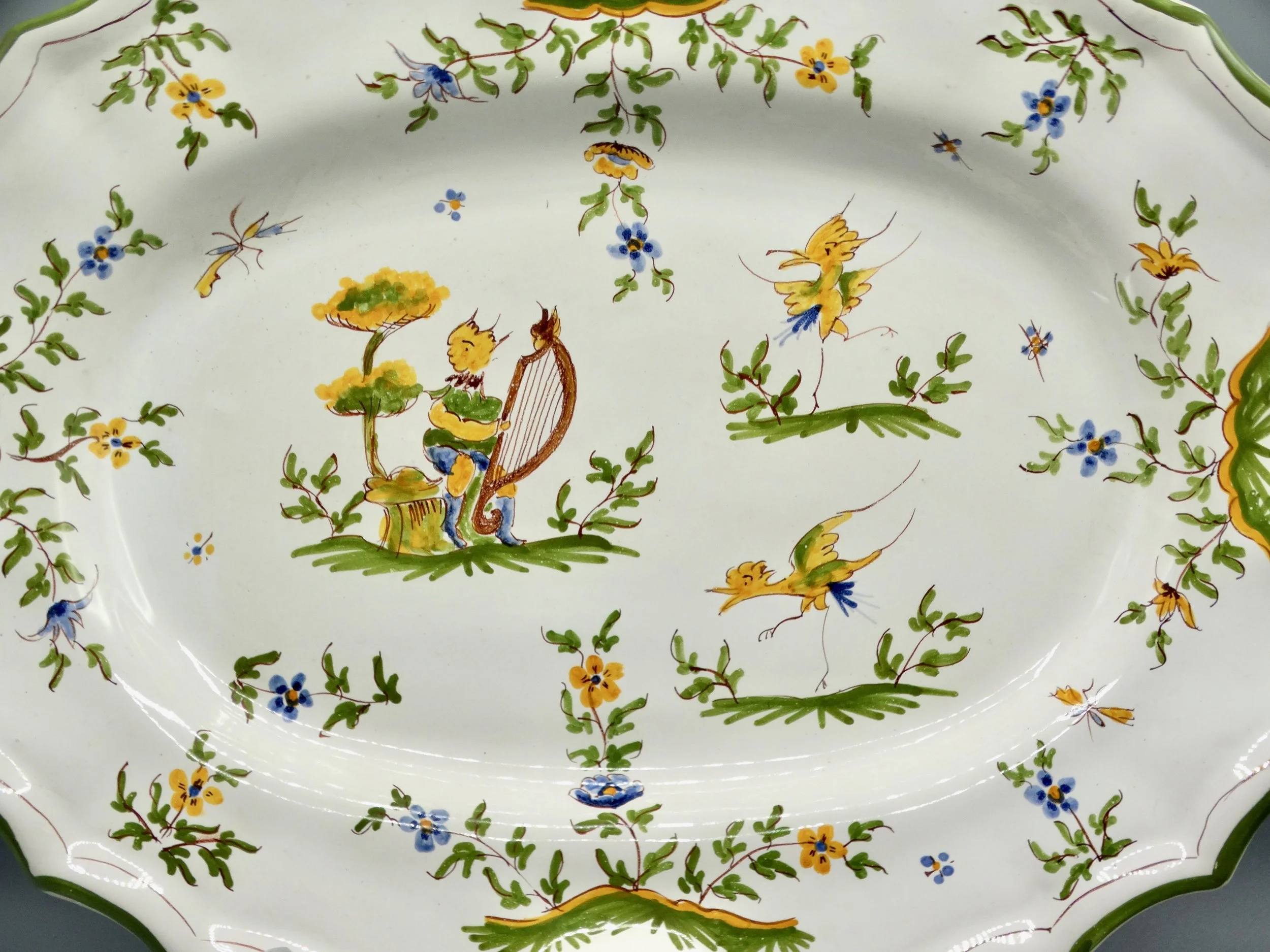 Image 9 of 18
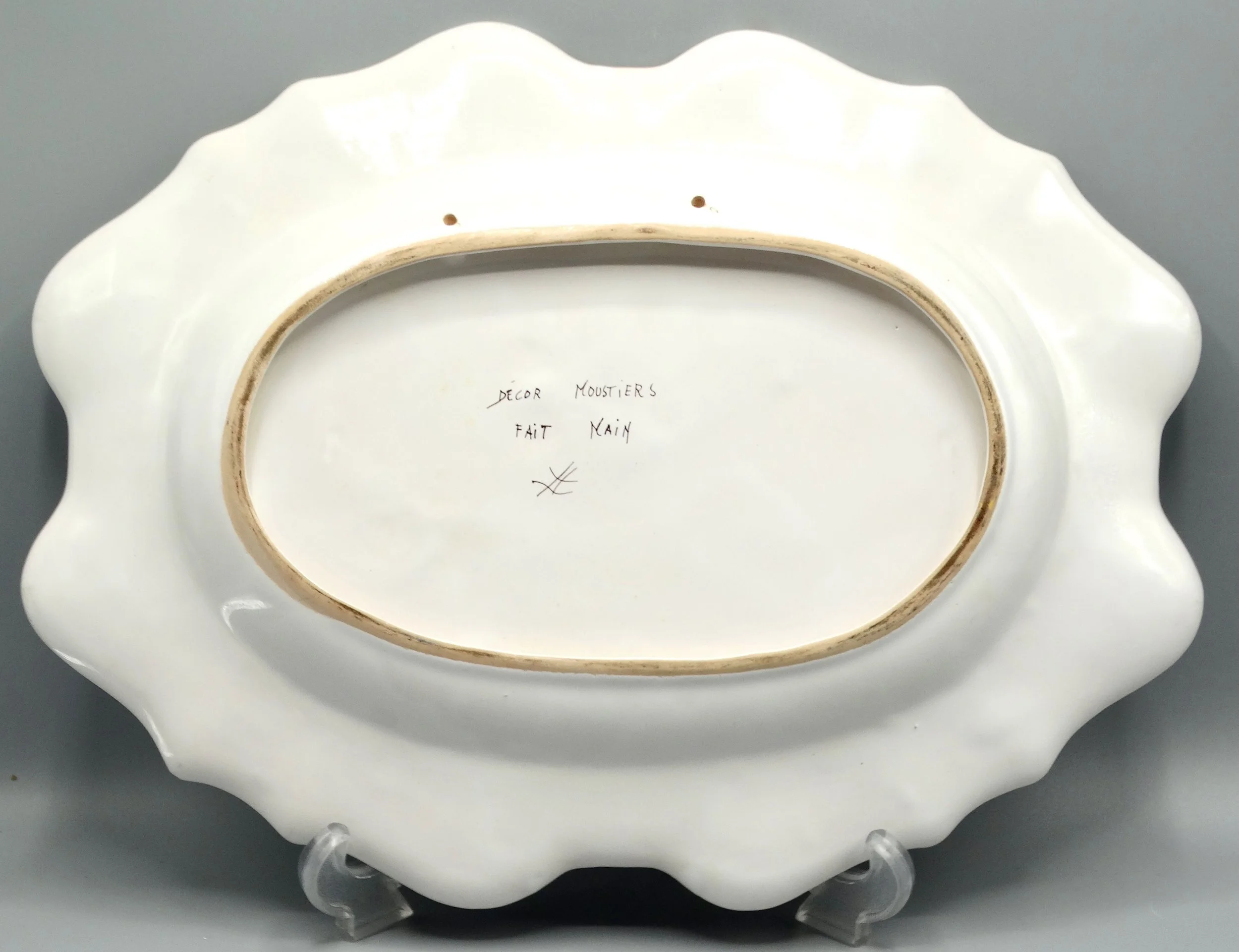 Image 10 of 18