
Love art? You're in good company.
While art is not a liquid investment, it can be a rewarding one that you also get to enjoy. Like any investment, art carries risk, but it offers something most investments don't: both aesthetic and financial value. Displaying art in your home is immensely pleasurable, and it is a tangible store of value. Art collecting can also be a way to shape a cultural legacy.
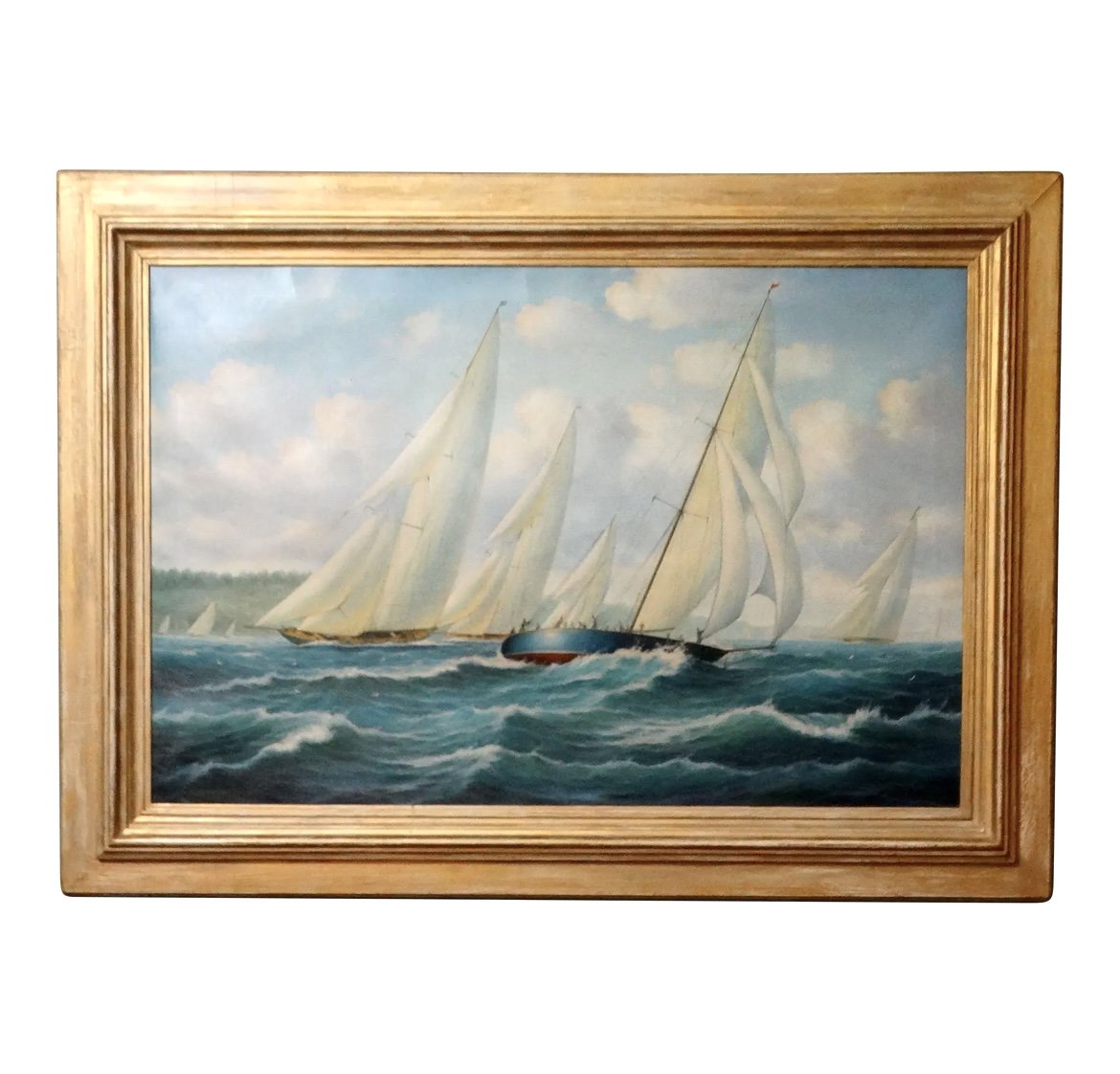
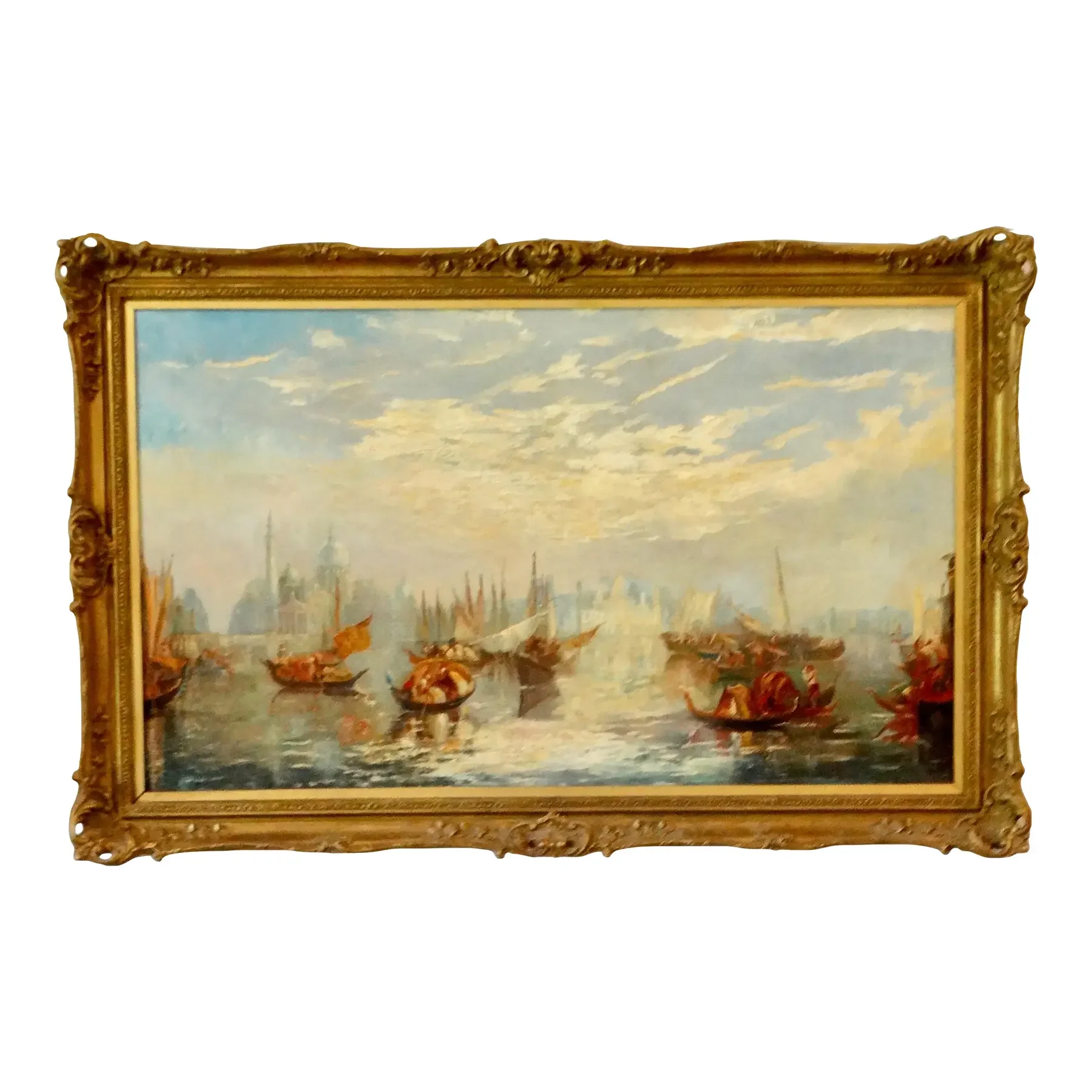
How I Became a Collector
My love of learning about art, artists, and particularly oil paintings began with a college art history class. I still have the textbook and read through it from time to time. I never would have thought my love of art would spring from a class I took at university decades ago.
That love has carried into my own family. My lifelong collection of art and antiques has inspired two generations of collectors who thrill at studying and acquiring beautiful art and antiques.
The Pleasure of Living with Art
If you love art and learning about it, you will probably find the journey of discovery to be a form of self-development, and its value goes beyond any financial reward. Art often lives with us for years. The pleasure of looking at it, learning about it, and living with it is perhaps more meaningful than any financial return it might bring.
The joy of expressing my personal taste through the paintings I have bought and hung in my home is immeasurable. Learning about painting terms, techniques, art history genres, and the artists themselves has been deeply rewarding. Connecting with contemporary artists and creative communities can be gratifying too. I enjoy visiting museums, galleries, and exhibitions. Settings like these sharpen the eye and help you tell good art from mundane pieces.
Like most collectors of antique art and decorative objects, I've found that becoming an art collector is part of the appeal.
Collecting Art as an Investment
For me, investing in art requires more than capital. It means trusting my own judgment and building a collection gradually.
Whether it's a landscape, still life, seascape, or Impressionist work, art is subjective. Your opinion, and a work that resonates with you personally, is what matters. If you are passionate about art, buy works you love and will enjoy seeing every day. If a work does not bring you joy, it's the wrong piece.
For most people, buying a painting they truly appreciate brings lasting rewards. In fact, according to Deloitte's Art & Finance Report, the key driver for buying art is its emotional value, followed by its financial and social value.*
Find Your Next Painting at Faded Rose Antiques
I invite you to peruse our paintings at Faded Rose Antiques. We personally curate each piece and, as professionals, examine every work's maker, history, condition, and provenance. Buy what you love, and buy with confidence.
*Deloitte Private & ArtTactic, Art & Finance Report 2023
A fine quality 19th-century oil painting on board of the River Thames under a moonlit sky by listed British / Danish artist, Alfred Serenius Jensen ( 1859 - 1935). In this atmospheric nautical picture, Jensen has skillfully harnessed the light of the full moon in the clouds, sails and the water's reflection. A foggy mist hugs the distant shore masking the London shoreline and a tugboat steams off on the left. The lights on the tug, ship and channel marker draw in the eye of the viewer. Displayed in the original giltwood swept frame. Painting, 31"L x 21"H.
Auction records for Alfred Jensen exceed $8,500. Art has long been regarded as a strong and safe investment. Ellen Kelleher, a personal finance reporter for The Financial Times wrote an article recommending art particularly in the $500 - $50,000 range as a sound long term investment with an impressive current average annual yield of 9.7%. See 'Hang Your Investments on the Wall' in the Financial Times published in October, 2010.
Dimensions: 35” Length x 2” Width x 25” Height
Condition is excellent, recently cleaned, ready to hang.